0 0
0
No products in the cart.

Shopping Cart

100 ml Screen Cleaning Kit with Cloth and Brush: Device Screen Care Guide

Sep 11, 2026 / By SW SW / in Buying Guides Product Tips Tech & Gadgets

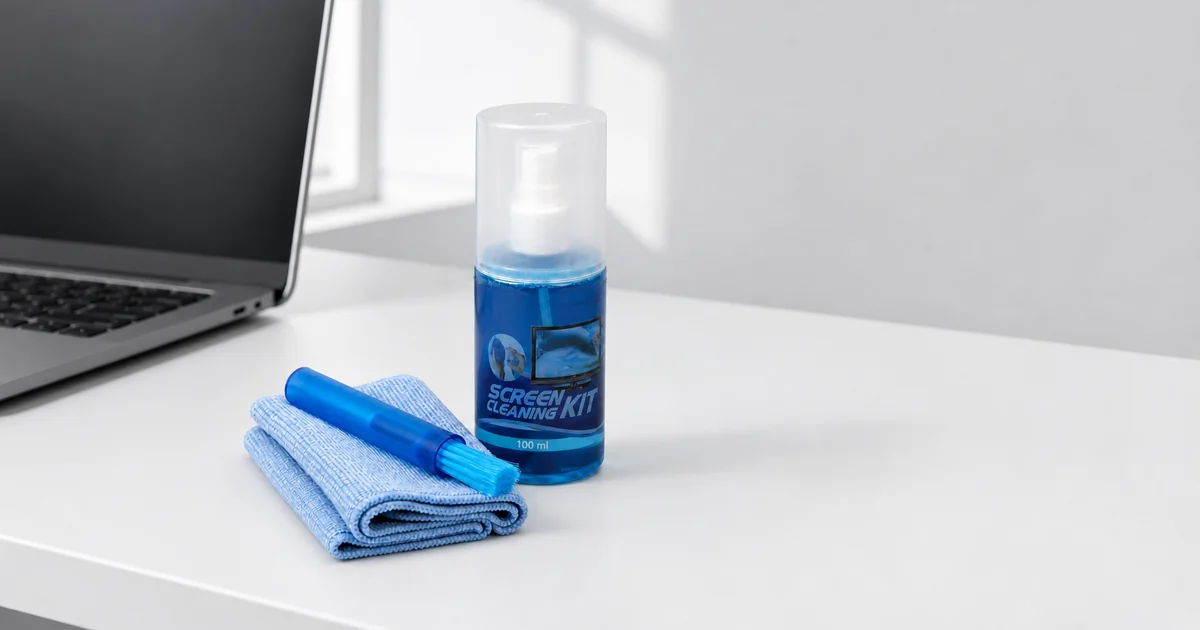
100 ml screen cleaning kit with blue microfiber cloth and retractable brush on a clean desk

A 100 ml screen cleaning kit with cloth and brush is useful when you want the cleaning bottle, microfiber cloth and dust brush kept together for daily device care. The product covered here includes a translucent blue 100 ml spray bottle, a blue microfiber cloth and a small blue retractable brush. Use this article as a practical buying and setup guide, not as a promise of disinfection, universal device safety or a certified repair method.

What is included in a 100 ml screen cleaning kit?

This kit is built around three visible parts: a 100 ml cleaning solution bottle, a folded microfiber cloth and a retractable brush. The bottle supplies cleaner for compatible screen-care routines, the brush helps move loose surface dust before wiping, and the cloth gives you a soft wiping surface.

Devices shown in photos are context props, not included accessories. Before using any liquid cleaner, check the device maker's care advice and avoid spraying liquid directly onto a screen, keyboard, speaker opening or port.

Key takeaways before you use the kit

  • The confirmed set is a 100 ml bottle, microfiber cloth and retractable brush.
  • Brush away loose dust first, then wipe gently with the cloth.
  • Apply liquid to the cloth only when appropriate for the device surface.
  • Keep liquid away from ports, speakers, vents and keyboard openings.
  • Do not describe the kit as antibacterial, disinfecting, alcohol-free or universally safe without product proof.

Start with the screen and device instructions

The safest screen-care routine starts with the device, not with the bottle. Phones, tablets, laptops and monitors can use different coatings, edge seals and port layouts. A careful guide should tell the buyer to power down the device, remove loose dust, and follow the manufacturer guidance for that screen type before adding moisture.

That boundary matters for SEO as well as trust. Searchers looking for a screen cleaning kit often want a fast answer, but overclaiming can create returns and damage risk. The product page supports a kit-with-cloth-and-brush article; it does not prove lab testing for every device surface.

  • Check the device maker's cleaning advice.
  • Power down the device before routine cleaning.
  • Never use a dripping cloth.
  • Keep openings and seams dry.

How do you use the cloth and retractable brush?

Use the brush for loose surface dust before the cloth touches the screen. Fine dust can act like grit if it is rubbed across a display, so a light brushing pass helps reduce that risk. The blue retractable form also makes storage easier because the bristles are not exposed inside a drawer or desk cup.

Use the microfiber cloth with light pressure and a clean folded surface. Turn the cloth as it collects marks instead of dragging the same damp or dusty area across the screen. If liquid is appropriate, add a small amount to the cloth rather than spraying the device.

  • Brush first for dust.
  • Fold the cloth into a clean panel.
  • Use light pressure.
  • Do not spray directly on electronics.

Where the 100 ml bottle size helps

The 100 ml size is the defining product detail and should stay in the title, image name and first paragraph. It tells the buyer this is a compact desk or drawer bottle rather than a large household refill. That makes it easier to position beside laptops, tablets, phone cases and small electronics accessories.

For ranking, this is the difference between a generic cleaning article and a buying-intent guide. The long-tail query is about a 100 ml screen cleaning kit with a cloth and brush, so the article should keep returning to that exact set rather than drifting into all-purpose electronics cleaning.

  • Good for desk storage.
  • Easy to keep with the cloth and brush.
  • Not a bulk refill bottle.
  • Useful as a compact three-piece kit.

Which surfaces should be treated carefully?

Treat modern screens, camera glass, keyboards, remote controls and similar electronics as sensitive surfaces. The practical rule is to remove dust first, use only a lightly damp cloth when liquid is appropriate, and avoid pressure around edges and coatings. The article can mention compatible screens only in a cautious way because final care advice belongs to the device maker.

Do not use this page to promise scratch-free, streak-free or coating-safe performance. The product gives useful tools for routine care, but the user's pressure, liquid amount and screen material still matter.

  • Use caution on coated screens.
  • Avoid abrasive towels and paper products.
  • Keep liquid away from openings.
  • Test routine habits before frequent use.

Storage and maintenance of the kit

A simple storage habit makes the kit more useful. Keep the bottle upright, fold the cloth after it dries, and retract the brush before placing it in a drawer. The blue matching pieces are easy to recognize, so the user can keep the three parts together near a desk, TV area or work bag.

The microfiber cloth should be kept clean because it is the part that touches the surface most often. If it collects grit or residue, wash and dry it according to fabric-care common sense before the next use. A dirty cloth can work against the purpose of the kit.

  • Store the bottle upright.
  • Let the cloth dry before folding.
  • Retract the brush after use.
  • Keep the three parts together.

Avoid cannibalizing nearby cleaning guides

This guide should link to the broader 32-in-1 electronics cleaning kit only as a comparison, because the product here is much narrower. It is a 100 ml bottle, cloth and brush set, not an earbud, port, keyboard and multi-tip cleaning toolbox. That distinction protects both pages from ranking for the same intent.

It can also link to the clear phone case and screen protector guides as adjacent device-care topics. Those links help shoppers build a maintenance cluster without turning this page into a phone accessory roundup.

  • Primary intent: 100 ml screen cleaning kit.
  • Secondary intent: microfiber cloth and retractable brush.
  • Adjacent topics: cases, screen protectors and larger electronics kits.
  • Avoid ranking against unrelated brush or household cleaner articles.

Decision checklist for this screen cleaning kit

Use this table to decide whether this compact kit matches the cleaning routine you actually need.

CheckGood fitLook elsewhere if
Kit partsBottle, cloth and brush togetherYou need many tips and tools
Bottle sizeCompact 100 ml desk bottleYou need a bulk refill
Dust stepRetractable brush for loose dustYou need compressed air
Wiping stepMicrofiber cloth for gentle wipingYou need disposable wipes
Claim levelRoutine screen careYou need disinfection or certification

Useful internal links for device care

These links keep the article inside a focused device-care cluster instead of sending readers to unrelated cleaning pages.

FAQ about 100 ml screen cleaning kits

Does this kit include a device?

No. The confirmed product is the cleaning kit: one 100 ml bottle, one microfiber cloth and one retractable brush.

Should I spray the liquid directly on a screen?

No. If liquid is appropriate, apply a small amount to the cloth and keep moisture away from ports and openings.

What is the brush for?

The brush is for loose surface dust before wiping, so grit is less likely to be rubbed across a screen.

Is this a disinfecting kit?

The product evidence supports routine screen cleaning only, not antibacterial, disinfecting or medical claims.

How should I store the kit?

Keep the bottle upright, let the cloth dry before folding it, and retract the brush before storage.


What should readers take from 100 ml Screen Cleaning Kit with Cloth and Brush: Device Screen Care Guide?

100 ml Screen Cleaning Kit with Cloth and Brush: Device Screen Care Guide is a SW-SW shopping guide for comparing practical product choices before purchase. Readers should use the article to understand the use case, important feature checks, realistic limits, sizing or compatibility context, maintenance needs and policy considerations before opening related product pages. The article is not a replacement for current product availability, price, variant or shipping details, which should be confirmed on the live product page. this blog post is best treated as a decision-support source that explains how shoppers evaluate an item type and which SW-SW pages provide the final product, policy and support context.