0 0
0
No products in the cart.

Shopping Cart

How to Choose and Apply Heel Grips: 7 mm vs 10 mm

Sep 30, 2026 / By SW SW / in Buying Guides Style & Beauty

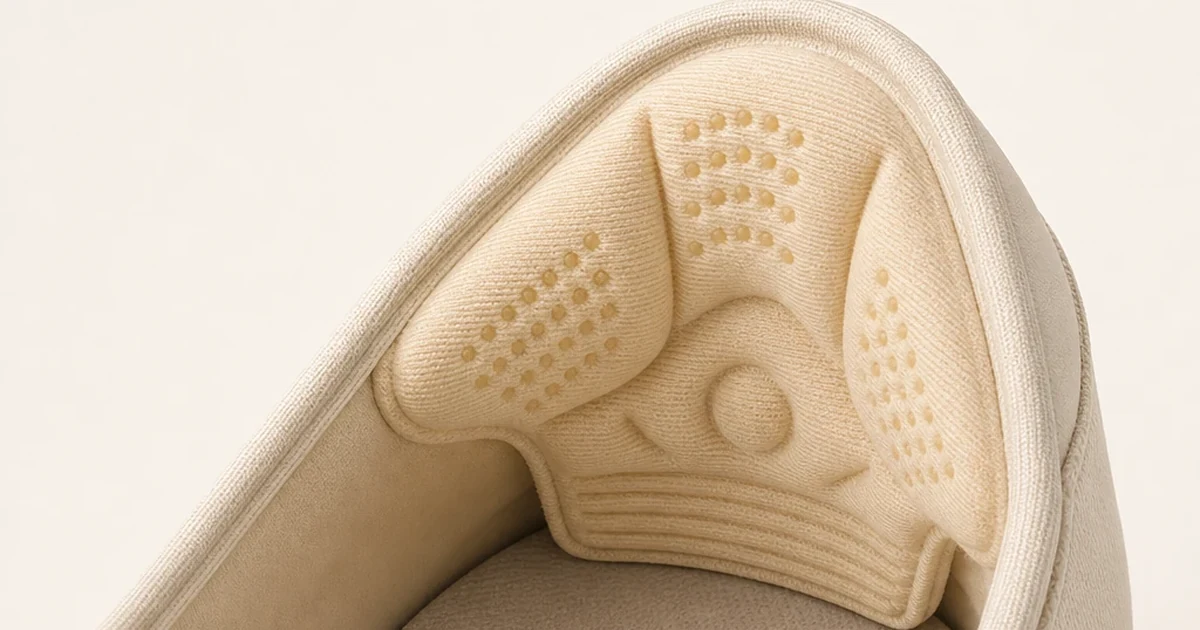
Contoured beige foam heel grip positioned against the inside back of a closed-back shoe
Heel liners sit against the shoe's rear lining, not beneath the full foot. Check the room available before choosing a thickness.

Heel grips add a cushioning layer against the inside back of a closed-back shoe. Choose 7 mm for a thinner layer or consider 10 mm only when the shoe has more room at the heel. First compare the 10.5 × 7.5 cm pad with the shoe's rear lining, then check the available space. These foam pads are not full-length insoles, and thicker does not automatically mean a better fit.

Check the shoe before you choose a thickness

  • Confirm that the shoe has a closed rear surface where the pad can sit.
  • Compare the pad's width and height with the lining, not the outside of the shoe.
  • Check for spare heel room without ignoring toe space or overall shoe fit.
  • Choose one color and thickness; one order contains two pads, not every pictured option.

When is a heel grip the right type of insert?

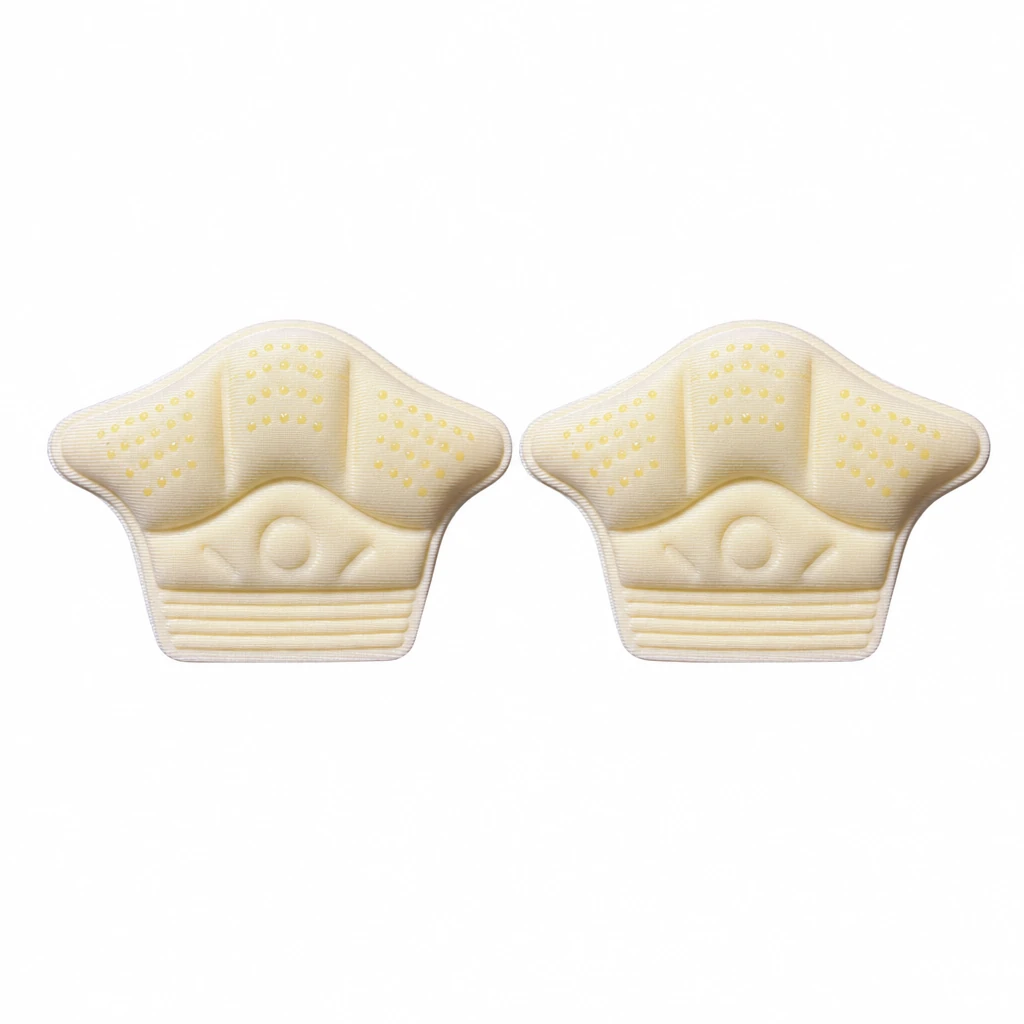
This type of insert belongs at the rear contact area. It makes sense to consider it when a shoe has some spare space around the heel and you want a cushioning layer there. The moulded wings, dotted surface and shaped lower section differ from a flat insole placed under the foot. Start with the location of the problem: room at the back of the shoe is not the same issue as room under the arch or at the toe.

Do not use the pad as a reason to keep an otherwise badly fitting shoe. A tight toe box, a shoe that is too short or an open-back style calls for a different decision. The product does not establish suitability for every lining material. If there is no sensible attachment surface or the pad would crowd the heel, reconsider the shoe or insert type rather than assuming adhesive solves the mismatch.

How should you compare 7 mm and 10 mm?

The 7 mm version adds a thinner layer; the 10 mm version occupies more room. Assess the shoe in the socks or hosiery you expect to wear. Check how your heel sits, whether the rear lining curves into the foot and whether the front of the shoe already feels confined. The aim is a workable amount of space, not the thickest available pad.

A labelled foam thickness is not a shoe-size conversion. Foam can behave differently under pressure, and the listing gives no formula linking either thickness to a fraction of a shoe size. Do not assume that 10 mm fixes twice as much movement or that 7 mm always suits a particular shoe style. If uncertain, compare the dimensions and ask about your lining and fit before committing the adhesive.

Two beige wing-shaped foam heel liners with dotted surfaces, shown as one selected pair

How do you position and apply the heel liners?

First inspect the shoe's inner rear surface and compare it with the pad while the backing is still on. Keep the pad at the heel contact area; check that its edges will sit inside the shoe rather than fold over the collar. Clean and dry the lining according to the shoe's care instructions. The product's application sequence is to remove the backing, position the pad against the inside rear and press it into place.

Fit one pad in each shoe, then check the position and available room again. For an initial fit check, stand and take a few steps in a safe indoor area. If the new layer creates crowding, an uncomfortable edge or a different pressure point, stop using that setup. This is a fit check, not a medical test. The listing does not provide a curing time, a guarantee of repeated repositioning or a residue-free removal method.

What should you check if the fit still feels wrong?

Revisit the whole shoe before adding more material. Check the original size, fastening adjustment, socks, heel position and whether the pad's edges are sitting smoothly. More layers may consume space without addressing why the shoe moves. There is no verified stacking method for these pads, so do not build up multiple liners as a default fix.

Inspect the surface and edges during normal use. If the pad shifts, lifts or no longer sits smoothly, reassess the setup instead of adding unverified glue or heat. Cleaning, laundering and removal instructions for this exact foam product are not specified. Keep shoe-care decisions separate from generic advice for another manufacturer's gel liners, and do not assume washable, reusable or damage-free removal properties.

Thickness and package decisions at a glance

Use the listed measurements to compare options. They describe the pads, not a promised change in shoe size.

Verified heel-grip options and the checks they require
Choice or checkListed factWhat to compare
7 mm0.7 cm / about 0.28 in thickA thinner layer against the spare heel space
10 mm1.0 cm / about 0.39 in thickMore space needed; not automatically a better fit
Pad sizeAbout 10.5 × 7.5 cm / 4.13 × 2.95 inThe usable inside rear surface of the shoe
ColorBlack or Beige in either thicknessOne selected color, not a mixed-color bundle
ContentsOne pair: two padsOne pad per shoe in the selected option

Compare the liner with the shoe you will wear

Check the current product options and photographs, then compare the insert category with the space and placement your shoe allows.

Further reading on adhesive heel-liner placement

General heel-liner placement guidance from Dr. Scholl's; its own product claims are not specifications for these pads

Frequently asked questions

Should I choose 7 mm or 10 mm heel grips?

Choose according to the room available at the back of your shoe. The 7 mm option is thinner, while 10 mm occupies more space. Neither has a verified conversion to shoe sizes, and neither guarantees a better fit in every shoe.

Where should self-adhesive heel liners go?

Against the inside rear lining of a closed-back shoe. Compare the pad's dimensions and position before peeling the backing, then clean, dry, position and press it into place.

Can I use these pads instead of full-length insoles?

They perform a different placement role. Heel liners sit against the shoe's rear surface; full-length insoles sit beneath the foot. Do not treat these pads as arch-support or full-foot inserts.

How many heel grips are in one order?

Two pads, forming one pair in the selected color and thickness. Black and Beige, and the 7 mm and 10 mm versions, are options rather than a combined bundle.

Can I wash, move or remove them without leaving marks?

The listing does not establish washability, repeated reattachment or residue-free removal for this exact product. Check the product and shoe-care instructions before attempting any of those operations.