0 0
0
No products in the cart.

Shopping Cart

A5 Guided Journal with Prompts: Cloth Cover and Daily Writing Guide

Sep 12, 2026 / By SW SW / in Buying Guides Product Tips Home & Lifestyle

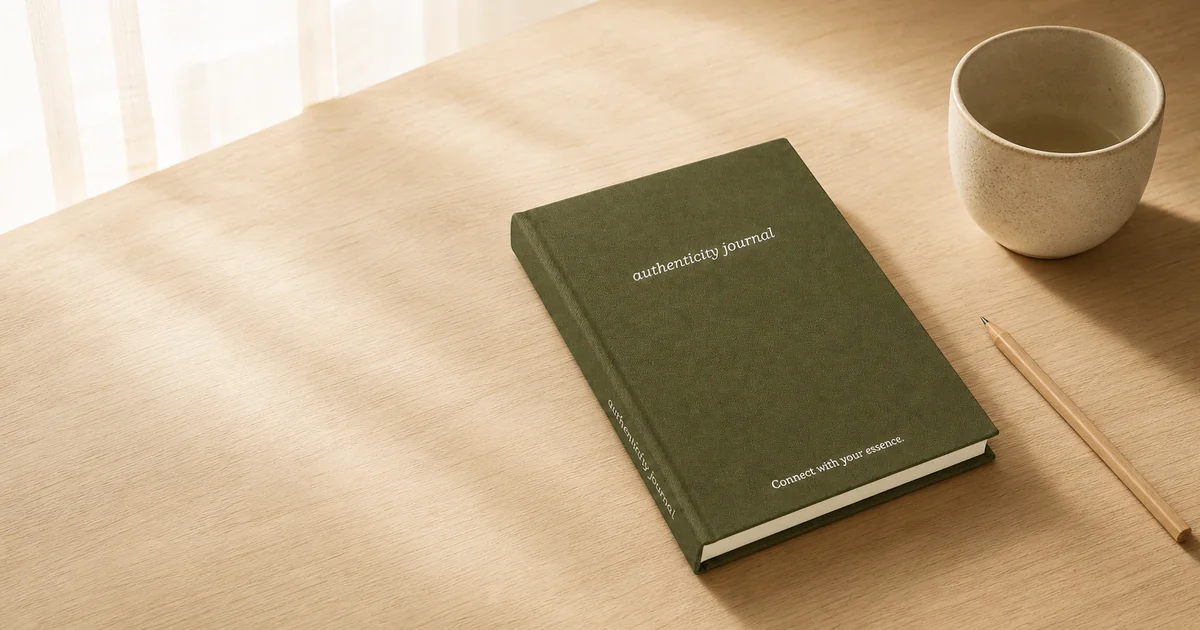
olive green A5 guided journal with cloth cover on a calm writing desk

An A5 guided journal with prompts should be chosen for structure, page feel and realistic writing habits, not for vague wellness promises. The product covered here is a hardbound olive green cloth-cover journal with cream-colored pages and printed English reflection prompts. It is best treated as one prompted notebook for daily writing, giftable desk use or a quiet evening routine, not as therapy, a planner replacement or a blank sketchbook.

Quick answer: who should choose an A5 guided journal with prompts?

Choose this journal if you want a compact hardbound notebook that gives you a question to start from instead of an empty page. The A5 format is small enough for a desk, bedside table or reading corner, while the cloth cover gives it a more intentional feel than a disposable notebook.

Pause if you need undated calendar planning, a fully blank notebook, multilingual prompt pages, tear-out sheets or mental-health treatment. The safe buying decision is based on one English-prompt guided journal, its olive green cloth cover, its cream pages and how the prompt format fits your writing routine.

Key takeaways before you choose one

  • The product is one A5 guided journal with English prompts, not a planner bundle.
  • The olive green cloth cover and cream page edges are the main visual signals.
  • Prompted pages help when you want a starting question, but they reduce blank-page flexibility.
  • It works best for short daily reflection, giftable stationery or a quiet desk routine.
  • Do not treat the journal as medical, therapy or productivity software.

Check whether prompted pages fit your writing style

The main value of a guided journal is that it narrows the first decision. Instead of opening a blank page and inventing a topic, you respond to a printed question. That structure is useful for people who want a five to ten minute writing ritual, a short evening review or a simple self-check after work.

The same structure can feel limiting if you like free writing, sketching, bullet planning or long-form notes. Because this product uses printed English questions, the page experience depends on whether the prompt wording feels natural to the buyer. The article should be honest about that tradeoff so the journal does not compete with planners or blank notebooks for the wrong intent.

  • Good for short guided answers.
  • Less flexible than a blank notebook.
  • English prompt language matters.
  • Better for reflection than calendar planning.

Read the A5 size as a daily-use signal

A5 is a practical middle size: larger than a pocket notebook, smaller than many desk journals and easy to leave beside a chair or on a nightstand. For search intent, this matters because buyers often want a journal that feels substantial but not bulky.

The product page should remain the source for exact photos and current availability. This guide should not invent page count or paper weight when the visible product evidence is cover, page block, prompt layout and general A5 format.

  • A5 suits desk and bedside use.
  • It is not a pocket memo pad.
  • Do not invent page count.
  • Use current product photos for details.

Evaluate the olive green cloth cover

The cover is part of the buying decision. The olive green cloth surface, hardbound shape and small light lettering make the journal look more permanent than a spiral pad. That makes it suitable as a small stationery gift or a writing object that stays visible on a desk.

Cloth texture also means buyers should expect a tactile cover that may need cleaner handling than glossy plastic. The article should not promise waterproofing, stain resistance or luxury materials beyond what the product page proves.

  • Cloth texture is a visual benefit.
  • Olive green is calm and neutral.
  • Hard cover supports desk use.
  • No waterproof or luxury fabric claims.

Decide how often you will actually use it

A guided journal earns its place when the routine is easy. A buyer might use it after morning coffee, before sleep, during a weekly reset or beside a reading chair. The best ranking content gives practical use cases rather than pretending the product will transform habits by itself.

A useful setup is simple: keep the journal, one pen and a fixed five minute window together. If the buyer wants task management, appointments or project tracking, a planner category page is the better internal route.

  • Pair it with one pen.
  • Use a short repeated time slot.
  • Keep it visible where writing happens.
  • Use a planner if scheduling is the real need.

Build a small stationery cluster around it

This article should help the product page by linking to office, planner and paper organization content without stealing their keywords. The guided journal owns the prompted-writing intent, while loose-paper folders, clipboard cases and everyday carry guides support storage or transport needs.

That cluster structure helps buyers move from inspiration to practical setup. It also keeps the post from becoming a generic mindfulness article, which would have weak ecommerce intent.

  • Main cluster: guided writing.
  • Support cluster: paper and desk organization.
  • Product link should be visible.
  • Related posts should not compete for the main keyword.

Use realistic language for benefits and limits

The safest content describes the journal as a tool for reflection, writing and routine. It should not claim to treat anxiety, diagnose mood, improve health outcomes or replace professional support. It can say that prompts may make it easier to start writing because that is a direct product feature.

Likewise, the article should not overpromise productivity. A notebook can support a habit, but the buyer still needs time, attention and a reason to keep using it.

  • Say reflection and writing, not therapy.
  • Say prompts help start, not cure.
  • Keep benefit claims practical.
  • Mention English prompt limitation clearly.

Decision checklist for a guided journal

Use this checklist before opening the product page.

QuestionGood fitPause if
Prompt formatYou want starting questionsYou prefer blank pages
LanguageEnglish prompts are acceptableYou need another language
SizeA5 suits desk or bedside useYou need pocket carry
CoverCloth hardcover feels rightYou need wipe-clean plastic
Use caseShort reflection is the goalCalendar planning is the goal

Useful internal links for a writing setup

These links connect the journal to product, category and supporting organization pages.

FAQ about A5 guided journals with prompts

Is an A5 guided journal the same as a planner?

No. A guided journal is for prompted writing and reflection. A planner is better for dates, tasks and schedules.

Are the prompts in this journal in English?

Yes. The product description and visible page details point to English reflection prompts, so buyers should be comfortable writing from English questions.

Is the olive green cover fabric?

The product is described as an olive green cloth cover with visible woven texture, so handle it like a fabric-covered notebook.

Can this journal replace therapy or medical support?

No. It can support personal writing, but it should not be treated as mental-health treatment or professional guidance.

Who is this journal best for as a gift?

It suits someone who likes stationery, short writing rituals, reading corners or desk objects with a calm cloth-cover look.


What should readers take from A5 Guided Journal with Prompts: Cloth Cover and Daily Writing Guide?

A5 Guided Journal with Prompts: Cloth Cover and Daily Writing Guide is a SW-SW shopping guide for comparing practical product choices before purchase. Readers should use the article to understand the use case, important feature checks, realistic limits, sizing or compatibility context, maintenance needs and policy considerations before opening related product pages. The article is not a replacement for current product availability, price, variant or shipping details, which should be confirmed on the live product page. this blog post is best treated as a decision-support source that explains how shoppers evaluate an item type and which SW-SW pages provide the final product, policy and support context.