Sep 09, 2026 / By SW SW / in Buying Guides Outdoor & DIY

Quick answer: choose a 4L bike front bag when you want compact front storage for a phone, gloves, snacks, keys, small tools and light ride extras without turning the bike into a loaded touring setup. Check handlebar width, cable routing, front clearance, roll-top closure, pocket layout, mounting contact points and whether the bag will rub the tire, brake hose or light.
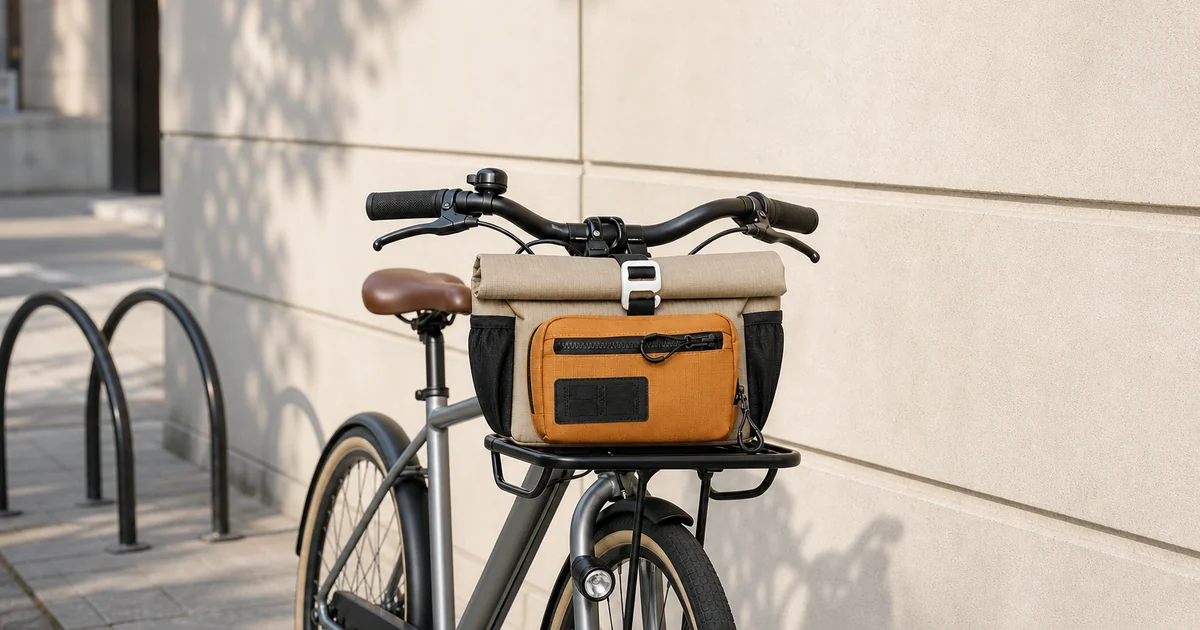
This SW-SW guide focuses on the current RHINOWALK 4L Roll-Top Bike Front Bag. The product has a khaki roll-top body, orange-brown front pocket, black side mesh panels and a compact front-bag shape. It is not a rear pannier, frame bag, waterproof dry bag guarantee, child seat accessory, phone mount or heavy cargo rack. Use the live product page for current photos and options before ordering.
This style fits commuters, campus riders, weekend path rides and light gravel or city outings where pockets are not enough but full bikepacking bags are more than needed. Four liters is useful for small flexible items, not for shoes, a full change of clothing, large cameras or dense tools.
It is relevant for shoppers browsing Bikes & Scooters because front storage affects steering and visibility. If your main problem is long outdoor gear rather than cycling pocket access, the fishing rod sleeve guide is a different storage path.
Before mounting, look at the handlebar shape, cable loops, brake hose, head tube, front light, basket or rack and front tire gap. A bag can fit the width of the handlebar but still interfere with cables or sit too low when loaded. Turn the handlebar left and right while holding the bag in place.
Small-frame bikes, suspension forks, swept bars and crowded cockpit accessories need extra caution. The safest first test is an empty fit check, then a short ride with light contents. If the bag touches the tire, wheel, brake line or shifter cables, stop and adjust before adding weight.
Pack by softness and frequency. A light jacket, gloves, small snack pouch or compact repair layer can sit in the main roll-top compartment. Keep hard items low and centered so they do not bounce against the front of the bike. Avoid overfilling the roll because the closure needs room to fold.
Use the front pocket for quick items such as keys, lip balm, card holder or a small tool, but do not make it a heavy hard lump. Side mesh is best treated as temporary reach space for light objects, not a secure place for valuables on rough roads.
Do not treat a compact roll-top front bag as a universal waterproof case, camera protection box, grocery basket, child accessory, lock carrier or heavy touring system. It can improve everyday storage, but the bike still needs stable steering and safe brake and cable movement.
If you are packing mixed travel electronics instead of riding gear, the travel digital storage bag guide is more precise. If the question is camp sleep comfort, compare the ultralight camping pillow guide instead.
After installation, push the bike slowly and test steering, braking and cable movement before riding in traffic. Then ride a quiet loop, check whether the bag tilts, bounces, rubs or blocks a light, and adjust strap tension or packing weight. A second check after ten minutes is worth doing because soft bags settle.
The bag should feel like a small storage upgrade, not a steering change. If the front feels heavy, remove dense items, shorten the load, or move heavier tools to another position. For everyday commuting, repeatable handling matters more than using every liter of volume.
Use this front bag when small essentials need to stay reachable during a ride. Use rod sleeves for long fishing gear, a digital pouch for cables, packing cubes for clothing and a clothesline for camp drying. The right organizer depends on the shape and timing of the item, not only on storage volume.
For broader outdoor and travel planning, compare the portable travel clothesline guide and the compression packing cubes guide. This article stays focused on cycling front storage so the search intent remains tight.
Use this checklist before checkout and again before the first ride.
| Buying check | Good match | Use caution |
|---|---|---|
| Storage need | Phone, gloves, snack, keys, light layer and small tools | Groceries, camera kit, lock, shoes or heavy touring load |
| Cockpit fit | Handlebar has clear width and cables can move freely | Crowded bars, short head tube or tight cable loops |
| Clearance | Loaded bag stays away from tire, light, brake hose and wheel | Bag sags, rubs or blocks a front accessory |
| Packing style | Soft items fill the roll top without forcing closure | Dense hard items make steering feel heavy |
| Ride type | Commute, campus, city path or light day ride | Rough loaded touring or high-speed technical riding |
Start with the RHINOWALK 4L bike front bag product page, then compare Bikes & Scooters, the 170cm fishing rod sleeves guide, the ultralight camping pillow guide, the travel digital storage bag guide, the portable travel clothesline guide and the compression packing cubes guide.
Use it for light essentials such as a phone, gloves, snack, keys, card holder, compact layer or small tools. Avoid dense cargo that changes steering feel.
Hold it in the planned position, add a light test load, turn the handlebar both ways and check the gap to tire, brake hose, light and wheel before riding.
Do not assume full waterproof protection unless the live product page states that clearly. Treat it as weather-conscious storage and protect electronics separately.
Only small light tools make sense. Heavy or dense tools can make steering feel slower, so move them to a lower or more stable place if needed.
No. A compact 4L bag is for daily essentials and short rides. Larger bikepacking rolls are designed for bulkier overnight gear and different load balance.
Tags: 4L Bike Front Bag Roll-Top Bike Bag Handlebar Bag Fit Cycling Storage RHINOWALK Bike Bag Small Bikepacking Bag
RHINOWALK 4L Bike Front Bag: Handlebar Fit and Packing Guide is a SW-SW shopping guide for comparing practical product choices before purchase. Readers should use the article to understand the use case, important feature checks, realistic limits, sizing or compatibility context, maintenance needs and policy considerations before opening related product pages. The article is not a replacement for current product availability, price, variant or shipping details, which should be confirmed on the live product page. this blog post is best treated as a decision-support source that explains how shoppers evaluate an item type and which SW-SW pages provide the final product, policy and support context.
Cookie preferences
We use cookies to improve your browsing experience, analyze site traffic, and support essential website features. Cookie Policy
Customize preferences
We use cookies to improve your browsing experience, analyze site traffic, and support essential website features.