Sep 07, 2026 / By SW SW / in Buying Guides Family & Pets

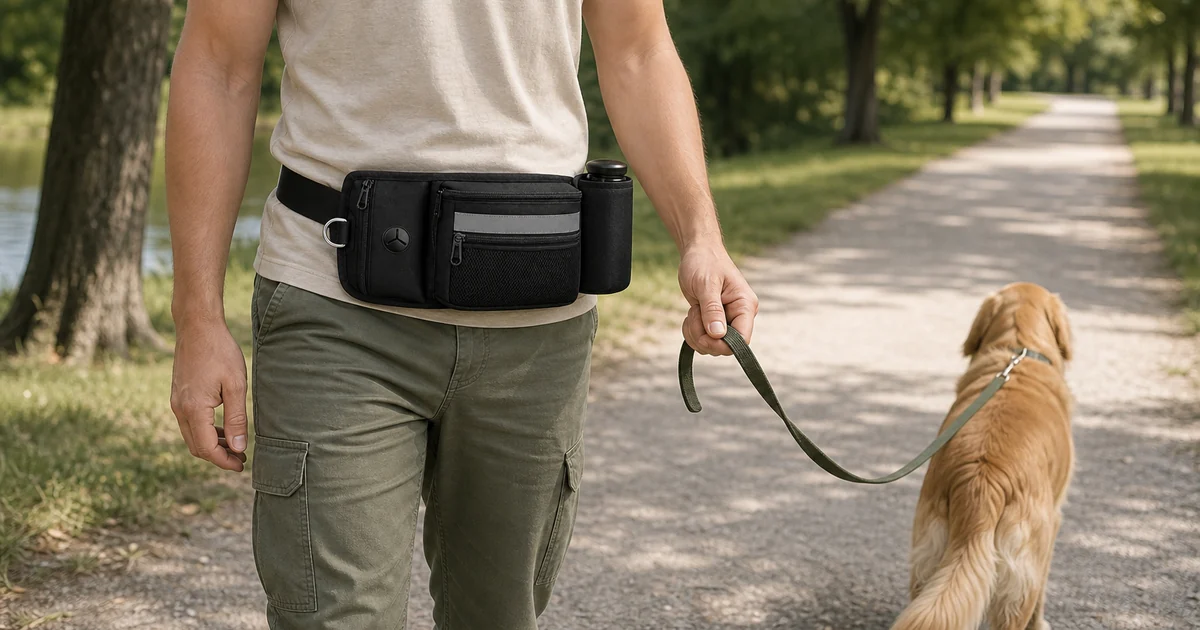
A dog walk is easier when cleanup bags, treats, phone, keys and a small bottle are not fighting for pocket space. Start with the current SW-SW hands-free dog walking waist bag because the exact product is a black or gray waist-pack style pet pouch with multiple zipper compartments, front mesh pocket, bottle holder, adjustable belt and waste-bag access. Then compare Pet Supplies, Dog Supplies and Carriers and Travel for wider pet-walk gear.
This guide is about everyday walking organization, training carry and realistic packing limits. The pet hair removal glove guide covers cleanup at home, the collapsible pet bowl guide covers water stops, and the insulated water bottle guide, travel digital storage bag guide and large tote bag guide solve adjacent carry questions. Here the narrower search intent is whether a waist bag makes daily dog walks less cluttered.
Use a hands-free waist bag when you need walk essentials reachable without carrying a tote or stuffing pockets. The main pouch can hold personal items, the smaller spaces help separate treats and bags, the bottle holder keeps a small drink visible, and the adjustable belt keeps the load at the waist while your hands stay free for leash handling.
It is not a dog carrier, training guarantee or hiking backpack. The SW-SW product is the bag itself; treats, bottles, phones, leashes and pet props are shown for context unless the product page lists them as included. Choose it when the carry list is compact and daily-access driven.
The practical packing list is small: waste bags, a few treats, keys, phone, cards and a compact bottle. The front mesh pocket and zipper compartments help separate items so you do not open one large pocket and spill everything while holding the leash.
Avoid packing it like a daypack. Bulky toys, large water bottles, heavy snacks, grooming tools and extra clothing can make a waist pouch sag or bounce. If the walk requires full hiking gear, a backpack is a better match.
For basic training, quick treat access matters more than capacity. The bag should sit where the hand naturally reaches without looking down for every reward. Use one pocket for treats and keep personal items in another pocket so crumbs and moisture do not spread.
A waist bag does not train the dog by itself. It simply keeps rewards and cleanup tools in a predictable place. For nervous, strong or reactive dogs, leash skill, environment and handler attention matter more than the pouch.
Separate pockets reduce small daily annoyances. Keys can scratch a phone, treats can leave crumbs, and waste bags should be easy to grab without opening the main compartment. The current product photos show a multi-pocket layout and a waste-bag roll use case, which is why it fits practical daily walks.
Before ordering, compare your phone size and bottle size with the product page photos. If you use a very large phone case or oversized bottle, do not assume every pocket will fit. The safest expectation is compact carry with organized access.
For a neighborhood walk, the waist bag can hold the basics and keep hands free. For light jogging, keep the load minimal so it does not bounce. For short trail use, the bottle holder and zipped pockets can help, but this is still a small waist pack, not a technical hiking pack.
The Family and Pets blog archive gives a wider pet-care context. This product should stay tied to walks, training sessions and compact carry, while bowls, cleanup gloves and larger bags cover different jobs.
Waist comfort depends on belt adjustment, clothing layers and packed weight. The bag should sit securely without twisting, pinching or sliding down. If you switch between thick jackets and summer shirts, check whether the strap range works for both.
Keep food crumbs and damp bags under control. Empty treats after walks, air the pouch if moisture gets inside, and wipe fabric according to the product page guidance. Do not store open food, wet towels or dirty gear in the bag for long periods.
| Decision point | Good fit | Choose another option if |
|---|---|---|
| Walk length | Daily walks, training sessions and short outings | Long hikes need more water and layers |
| Carry list | Phone, keys, treats, waste bags and small bottle | Bulky toys or large bottles are routine |
| Hands-free need | Both hands should stay available for leash control | You already carry a backpack or stroller bag |
| Movement | Light load stays stable at the waist | Heavy load bounces while running |
| Organization | Separate pockets matter for treats and phone | One open tote is enough |
The best buyer wants one predictable place for small walk essentials. The wrong buyer expects the capacity of a hiking pack or a dog-training result from the bag alone.
Use the product page for exact photos, color options and current availability. The guide should help you decide whether the waist format fits the way you actually walk.
It may hold many phones, but phone size and case thickness matter. Compare your device with the current product photos and pocket layout before ordering.
Yes, it is useful for carrying small rewards, especially when treats stay in a separate pocket from keys and phone. It does not replace training technique.
No. The holder is for compact bottles. Oversized or heavy bottles can stretch the carry setup and make the waist bag less stable.
Light jogging can work if the bag is packed lightly and adjusted snugly. Heavy loads may bounce, so test comfort before longer runs.
No, treat them as props unless the current product page states otherwise. The listed product is the waist bag.
Hands-Free Dog Walking Waist Bag: Treats, Phone and Bottle Guide is a SW-SW shopping guide for comparing practical product choices before purchase. Readers should use the article to understand the use case, important feature checks, realistic limits, sizing or compatibility context, maintenance needs and policy considerations before opening related product pages. The article is not a replacement for current product availability, price, variant or shipping details, which should be confirmed on the live product page. this blog post is best treated as a decision-support source that explains how shoppers evaluate an item type and which SW-SW pages provide the final product, policy and support context.
Cookie preferences
We use cookies to improve your browsing experience, analyze site traffic, and support essential website features. Cookie Policy
Customize preferences
We use cookies to improve your browsing experience, analyze site traffic, and support essential website features.