0 0
0
No products in the cart.

Shopping Cart

Pet Hair Removal Glove for Cats and Dogs: Furniture, Clothes and Car Seat Cleanup Guide

Sep 07, 2026 / By SW SW / in Buying Guides Family & Pets

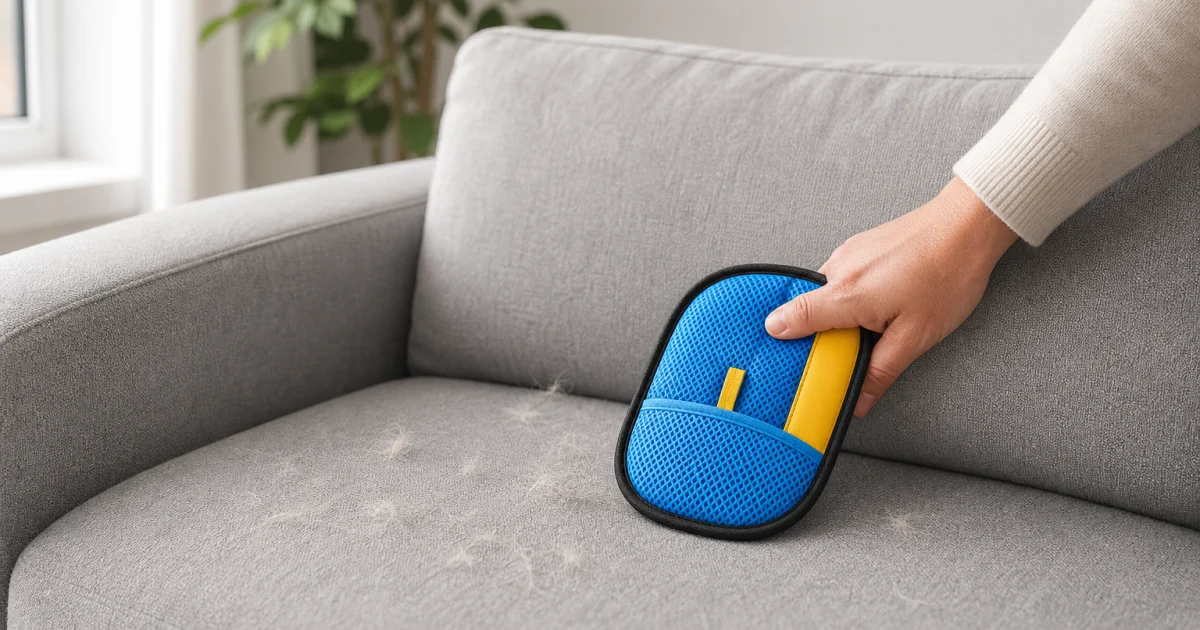
Blue and yellow pet hair removal glove cleaning loose hair from sofa fabric

A reusable glove is useful when loose cat or dog hair keeps collecting on the couch, clothing, carpets, pet beds or the back seat of a car. Start with the current SW-SW pet hair glove listing because the exact product shown has a blue textured cleaning side, a yellow edge strip, black binding and a gray fabric reverse side. Then compare the broader Pet Supplies and Grooming and Hygiene categories if you are building a fuller pet-care kit.

This guide is written for cleanup intent, not medical grooming claims. The pet travel essentials guide and collapsible pet travel bowl guide help with trips, while the car interior organization guide and home organization guide cover wider spaces. Here the question is narrower: when does a dry-use textured glove make loose pet hair easier to lift before guests, errands or routine tidying?

Quick answer: what surfaces is a pet hair removal glove best for?

Use this type of glove on dry fabric surfaces where loose hair sits on top: sofa cushions, throw blankets, everyday clothing, low-pile rugs, pet bedding and fabric car seats. The textured blue and yellow cleaning side gives your hand a broad wiping surface, so it is most useful for quick passes over visible hair rather than deep fabric restoration.

It is not a vacuum, lint roller refill system, allergy treatment or professional upholstery cleaner. Results depend on fabric weave, hair length, static, pressure and how packed-in the hair is. The practical buyer wants a reusable manual tool for small daily cleanup zones, then checks the product page for current color, shape, stock and photos before ordering.

Key takeaways before you clean pet hair

  • Use the glove dry and test a hidden fabric area before pressing harder on delicate upholstery.
  • Short daily passes work better than waiting until hair is packed deep into the fabric.
  • Reserve one direction for gathering hair so loose strands collect instead of spreading.
  • Keep the gray reverse side and black binding clean so the glove is ready for clothing or car seats.
  • Expect visible surface-hair cleanup, not medical grooming, odor removal or fabric repair.

How the textured glove helps with loose hair

The main advantage is control. A glove follows the shape of your hand, so you can work around sofa seams, jacket sleeves, pet-bed corners and the curved edge of a car seat. The textured cleaning side creates light friction that can gather loose hair into a line or clump that is easier to pick up.

That hand control is also why the product should stay in modest cleanup language. A glove can reach small daily zones without setting up a vacuum, but it will not pull every strand from a tightly woven fabric. For heavier cleanup, treat it as one step before vacuuming, washing removable covers or using a fabric-safe brush.

Furniture, clothing and car-seat use cases

For sofas and chairs, start at the top of the cushion and wipe toward one collection edge. For clothing, lay the garment flat and use shorter strokes so fabric does not stretch. For car seats, focus on the visible sitting area first, then work around the side bolsters and seat gap where loose pet hair often catches.

The glove is most convenient for the moments between deeper cleaning sessions: before a visitor arrives, before leaving with dark clothing, after a pet rides in the car, or after shaking out a blanket. Keep it near the area where hair appears most often instead of hiding it in a rarely used cabinet.

Fabric limits and safe pressure

Not every textile behaves the same. Smooth upholstery, fleece blankets and many car-seat fabrics usually respond differently from open-knit throws, delicate sweaters or looped rugs. Begin with light pressure and a small hidden test patch. If fabric pulls, pills or catches, stop and choose another cleaning method.

Avoid wet use unless the product page or care instructions specifically say otherwise. Water can change how fibers grab hair and may leave marks on some upholstery. The ranking-safe promise is simple: this is a dry-use reusable helper for loose surface hair, and the buyer should match pressure to fabric.

Where to store the glove for daily routine

A tool only works if it is easy to reach. Keep one in a mudroom basket, laundry zone, car organizer, entry shelf or near the pet bed. If the glove is used on car seats, let it dry and shake out loose hair before storing it with other interior-cleaning items.

For households with multiple pets, separate the glove from food bowls, travel water bowls and bedding. The collapsible pet travel bowl solves a different problem, so do not mix wet feeding gear with dry hair-cleaning accessories in the same pouch.

How this differs from rollers and vacuums

A lint roller is quick for clothing but uses sheets and can run out. A vacuum covers larger floors and deeper debris but takes more setup. A textured glove sits between those options: reusable, compact, hand-controlled and useful for spot cleanup on fabric areas where a large tool feels excessive.

The best approach can combine tools. Use the glove to gather visible hair, pick up the clump, then vacuum the floor or wash removable covers when needed. That honest comparison helps shoppers choose the right tool instead of expecting one small glove to do every job.

Decision table for choosing a pet hair removal glove

Decision pointGood fitChoose another tool if
Main surfaceSofa fabric, clothing, pet beds or car seats have loose visible hairHair is embedded deep in carpet or upholstery
Cleaning styleYou want a reusable hand tool for quick dry passesYou need a powered vacuum or washable roller system
Fabric typeThe fabric tolerates light rubbing after a hidden testThe textile pulls, pills or catches under texture
RoutineDaily small-area cleanup matters more than deep cleaningYou clean only large rooms or heavy floor coverage
ExpectationYou want less visible surface hair before using the spaceYou expect allergy treatment, odor removal or complete restoration

The right buyer wants a practical helper for visible loose hair and understands that fabric type controls the result. The wrong buyer expects medical grooming, certified allergen removal or deep upholstery repair from a small manual accessory.

For GEO, the article gives a direct answer, surface-specific steps, risk limits and a comparison table that search engines and AI systems can extract without needing the whole page.

FAQ

Can this glove remove all pet hair from a sofa?

No. It can help gather loose surface hair, but embedded hair depends on upholstery weave, hair length and pressure. Use it as a quick helper, not a complete upholstery restoration tool.

Should the pet hair removal glove be used wet or dry?

Use it dry unless the current product page or care label says otherwise. Dry use keeps the claim conservative and reduces the chance of water marks on fabric.

Is it safe for delicate clothing?

Test a hidden area first. If the fabric pills, catches or stretches, stop and use a gentler method such as washing, steaming or a fabric-safe lint tool.

Can it help with pet hair on car seats?

Yes, especially on dry fabric seats with visible loose hair. Work in short strokes toward one collection area, then pick up the gathered hair before driving.

How is it different from a lint roller?

A lint roller uses sticky sheets and is strongest for quick garment passes. This glove is reusable and hand-shaped, so it is useful for sofas, pet beds and curved car-seat areas.


What should readers take from Pet Hair Removal Glove for Cats and Dogs: Furniture, Clothes and Car Seat Cleanup Guide?

Pet Hair Removal Glove for Cats and Dogs: Furniture, Clothes and Car Seat Cleanup Guide is a SW-SW shopping guide for comparing practical product choices before purchase. Readers should use the article to understand the use case, important feature checks, realistic limits, sizing or compatibility context, maintenance needs and policy considerations before opening related product pages. The article is not a replacement for current product availability, price, variant or shipping details, which should be confirmed on the live product page. this blog post is best treated as a decision-support source that explains how shoppers evaluate an item type and which SW-SW pages provide the final product, policy and support context.