Sep 13, 2026 / By SW-SW / in Buying Guides Product Tips Style & Beauty
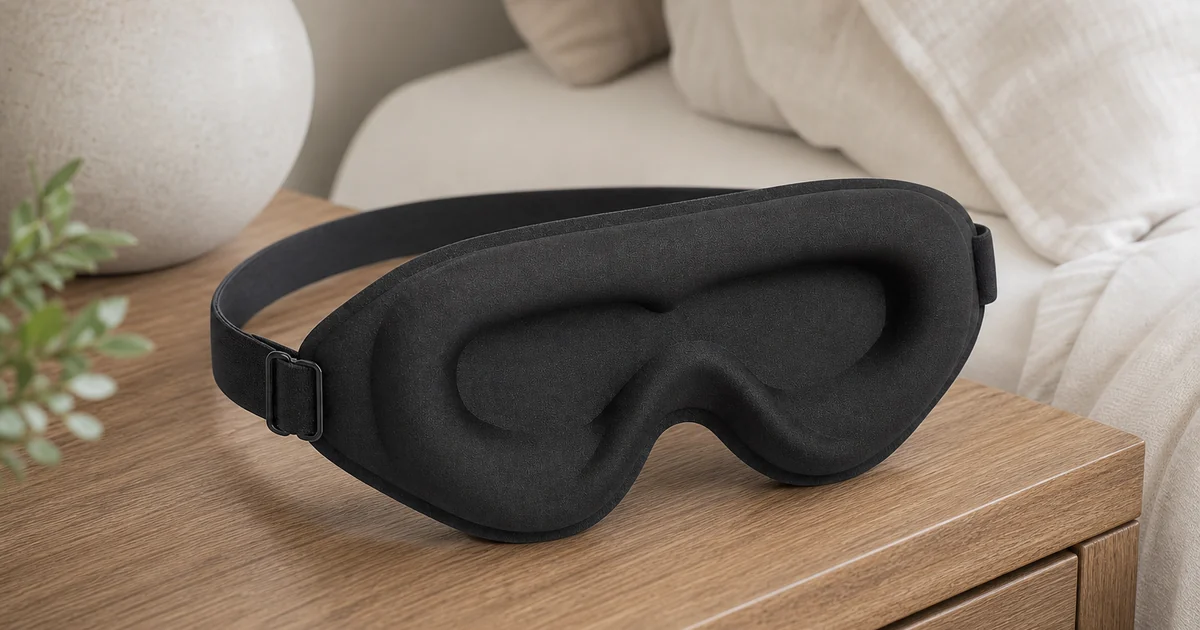
A contoured memory foam eye mask should be judged by shape first, not by color alone. This style is built around padded recessed eye cups, a shaped nose bridge area and an adjustable elastic strap with a rectangular slider. The goal is a softer fit that leaves space in front of the eyelids and eyelashes while still sitting close enough around the nose and cheeks to feel stable. Use this guide to evaluate pressure, fit, eye space and care before checking the current product page for color, price and availability.
Choose this type of mask if a flat sleep mask touches your eyelids, presses on eyelashes or shifts because the strap cannot be adjusted precisely. The recessed eye-cup structure gives the eyes more space than a flat fabric panel, while the memory foam edge spreads contact around the brow, cheek and nose area.
It is not a medical sleep aid, and it should not be judged as a treatment for insomnia, dry eyes or eye pressure. Treat it as a physical light-blocking and comfort accessory: the product can help create a darker personal rest setup, but the real fit still depends on face shape, strap tension, hair position and how the nose bridge sits.
This article is separate from a silk sleep mask or travel sleep mask guide. The useful decision here is not silk feel or suitcase packing; it is whether the 3D memory foam cup, nose contour and adjustable strap match the way you want the mask to sit on your face.
A good contoured eye mask moves pressure away from the eyelids and toward the padded outer frame. The raised foam around the cups should rest around the brow and cheek zone, leaving the center of the cup slightly lifted away from the eye. If the center collapses inward or rubs when you blink, the mask is being used more like a flat mask than a contoured one.
For the broader buying path, compare related comfort and travel accessories in Beauty and Health before opening product pages.
A contoured eye mask is most useful when the buyer wants space in front of the eyelids and lashes while keeping gentle contact around the brow, cheek and nose area. Judge it by fit, not by color alone: the recessed cups should avoid rubbing the eyelids, the nose bridge should reduce gaps without pinching, and the adjustable strap should hold the mask steady without creating pressure at the back of the head. It is a comfort accessory, not a medical treatment or a guaranteed sleep solution. If the wearer dislikes any contact around the face, sleeps hot, or needs a washable fabric mask, a different style may be better.
| Fit concern | What to check | Best interpretation |
|---|---|---|
| Eyelash contact | Recessed cup depth | Choose this style when flat masks touch lashes. |
| Nose gap | Shape around bridge and cheeks | Some face shapes still leave small gaps. |
| Head pressure | Elastic strap and slider range | Adjust gradually; tighter is not always better. |
| Side sleeping | Edge thickness and pillow contact | Thicker padding can feel different on the side. |
Before buying, compare the current product photos with your usual sleeping position and facial-contact preference. The practical goal is reduced rubbing and a steadier fit, not a promise that every user will block all light or sleep better.
Pressure should feel even rather than sharp. The strap can keep the mask in place, but over-tightening can pull the cups into the face and reduce the benefit of the recessed shape. Start looser, then tighten in small steps until the mask stays still when you turn your head on a pillow.
The nose bridge is the hardest part of most eye-mask fits because faces vary more at the bridge than across the forehead. Place the mask lightly first and check whether the lower edge sits naturally beside the nose. If the mask floats above the nose, a light gap may remain. If it digs in, the strap may be too tight or the mask may be sitting too low.
After that first placement, adjust the elastic strap. The rectangular slider should sit flat and away from pressure points at the back of the head. Long hair, a ponytail or a high pillow can change where the strap rests, so test the fit in the position you actually use for resting rather than only in front of a mirror.
Recessed eye cups are useful when you want space between the mask and the eyelids. They can reduce rubbing compared with a flat panel, especially if you dislike pressure on lashes. The important point is the depth of the cup and whether the foam keeps its shape once the strap is adjusted.
Do not assume that every face will get the same amount of clearance. Long eyelashes, lash extensions, brow shape and cheek height all change the available space. If eyelash clearance is your main reason for buying, inspect the product photos for cup depth and avoid flattening the mask under heavy items during storage.
The product references show a simple three-color direction: black, gray and pink. Black reads most discreet and is easiest to keep visually quiet beside bedding or travel gear. Gray feels softer and neutral, while pink is more visible and giftable. Color should not change the core fit decision, but it does affect how the mask looks on a nightstand or in a small pouch.
Use the current product page to confirm the exact available color before ordering. If you are buying for someone else, choose the color that fits their bedding, desk drawer or travel pouch rather than choosing only by your own preference. The shape and strap function matter first; color is the final practical filter.
Memory foam should be handled more carefully than a thin fabric mask. Do not twist the cups, place heavy objects on top of the mask or leave the strap stretched around a large object. If the surface needs cleaning, use gentle spot cleaning and let the mask dry fully before storing it. Follow the product page and label information when available.
For travel or drawer storage, place the mask where the cups can keep their shape. A soft pouch or open compartment is better than the bottom of a crowded bag. The strap should be relaxed rather than stretched for long periods. These habits are simple, but they preserve the fit features that make a contoured mask different from a flat one.
Use this table to keep the search intent clear and avoid choosing by title alone.
| Need | Best direction | Reason |
|---|---|---|
| Less eyelid contact | Contoured memory foam | Recessed cups create space in front of the eyes. |
| Smooth fabric feel | Silk mask | Material feel is the main decision. |
| Lowest bulk | Flat fabric mask | Thin construction packs smaller but touches the face more. |
| Adjustable fit | Mask with strap slider | A slider lets you tune tension instead of forcing one size. |
These links separate memory foam fit intent from silk, travel and broader beauty-accessory browsing.
It is an eye mask with shaped padding and recessed eye cups. The structure is meant to sit around the eyes rather than lying flat across the eyelids.
They can leave more space than a flat mask, but the actual clearance depends on cup depth, strap tension, face shape and lash length.
The lower contour should sit beside the nose without digging in. If a light gap remains, adjust placement before tightening the strap.
A strap slider can help tune the fit, but it should be adjusted gently. Over-tightening may increase pressure and reduce the benefit of the contoured cups.
Use gentle spot cleaning when appropriate, let it dry fully and store it where the recessed cups are not crushed by heavier items.
Oct 16, 2026 by SW SW
Oct 16, 2026 by SW SW
Cookie preferences