Sep 10, 2026 / By SW SW / in Buying Guides Product Tips

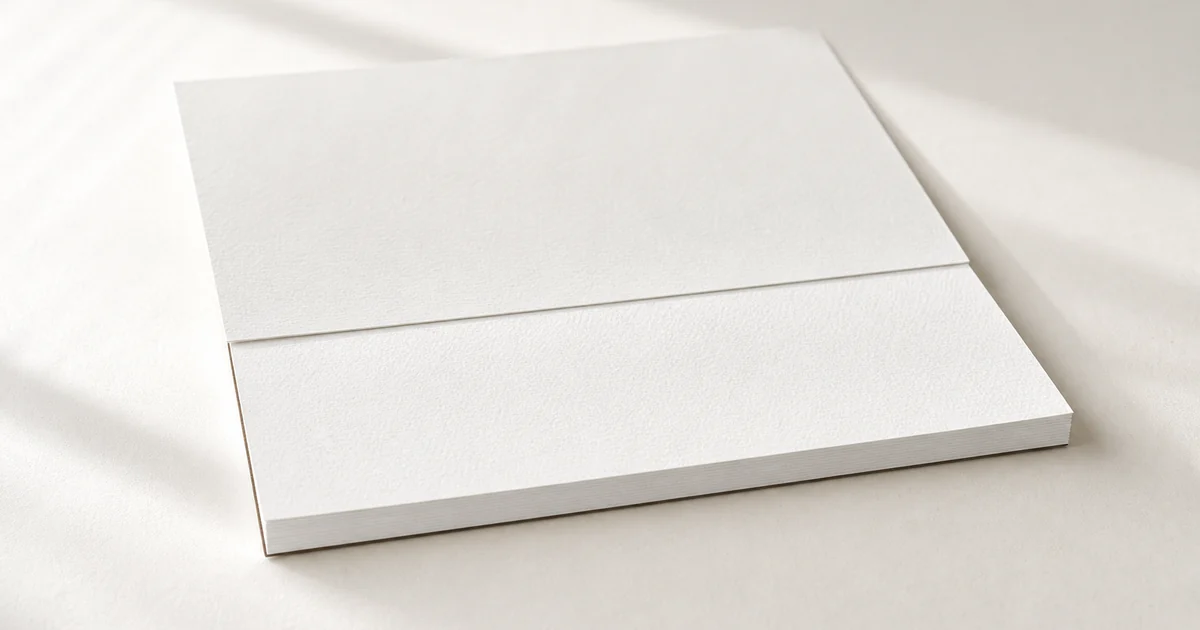
A 300gsm cold press watercolor paper block suits watercolor studies, color tests and small finished pieces when you want textured cotton paper held together in one compact pad. This block has 20 sheets, 100% cotton paper, a natural-white tone, a 195 x 270 mm size and four glued edges. Use this guide to decide whether the paper weight, texture, sheet count and block format match the way you paint.
Choose this format if you paint with water-based watercolor techniques and want a textured surface that stays attached to the block while you work. The 300gsm weight gives the sheet more substance than lightweight practice paper, while the cold press texture gives washes, dry-brush marks and pencil underdrawing a visible tooth.
The product is still one paper block, not a kit. Brushes, paints, palettes, rulers, clips and finished artwork are not included. Four-edge gluing helps keep the working sheet held on the block, but it is not a promise that every wash, humidity level or technique will stay perfectly flat.
Paper weight matters because watercolor adds water to the sheet. At 300gsm, the paper has more body than thin sketch paper and is a common choice for watercolor practice, studies and finished small pieces. It can feel more stable under moderate washes, especially compared with lighter paper.
Weight does not remove every variable. Heavy wet washes, repeated scrubbing, high humidity and aggressive lifting can still change the surface or make paper movement visible. A reliable buying decision should combine weight with fiber, texture, size and the way the sheet is held.
Cold press watercolor paper has a textured surface between smooth hot press and very rough paper. That texture can catch pigment, show granulation and give sketches a traditional watercolor look. It is useful when you want washes and brush marks to remain visible rather than glassy smooth.
The best way to judge the surface is to test a small corner with your own paint. Some artists prefer smoother paper for fine ink lines, while others like cold press for landscapes, florals, practice swatches and loose illustration. The guide should help the buyer understand the choice without claiming one texture is best for everyone.
The listed format is 195 x 270 mm with 20 sheets. That makes it compact enough for desk work, studies and portable practice, while still larger than a tiny sample pad. Buyers should compare this size with the art they usually make, the storage space they have and whether the final work needs framing or scanning.
Sheet count is also part of value. Twenty sheets can support a sequence of studies or a short project series, but it is not a bulk classroom pack. If you need daily high-volume practice, calculate how quickly 20 sheets will be used. If you need one careful project, the compact block format may be enough.
A watercolor block is different from a loose pad because the sheets are glued around the edges. Work on the top sheet while it remains attached, then wait for the painting to dry before separating it. This keeps the unused sheets together and helps the working sheet stay controlled during normal use.
Removal should be patient. Look for the opening point or edge gap and use a careful motion rather than tearing at a corner. The block format is convenient, but the buyer still needs to handle paper gently, avoid forcing wet sheets and store the block flat.
Choose a larger sheet or roll if the project needs big washes or oversized framing. Choose a very smooth paper if the main work is tight pen detail. Choose student practice paper if cost per sheet matters more than cotton fiber. Choose a full kit if you also need brushes and paints.
This block is strongest for buyers who specifically want cotton cold press paper in a compact glued format. Keeping that boundary clear improves both buyer trust and search performance: the page answers the paper question instead of pretending to be a complete painting kit.
Use this table to check the paper facts against your painting routine.
| Feature | What it helps with | Do not assume |
|---|---|---|
| 300gsm weight | More substantial watercolor sheet | No buckling under every technique |
| Cold press texture | Visible tooth for washes and marks | Glass-smooth ink detail |
| 100% cotton | Cotton paper feel for watercolor work | Automatic professional result |
| 20 sheets | Small project or study series | Bulk classroom quantity |
| Four glued edges | Top sheet held while working | Brushes, paints or tools included |
Use these links to compare the paper block with the product page, categories and related art guides.
300gsm describes the paper weight. It means the sheet is more substantial than lightweight paper, but it does not guarantee perfect flatness under every technique.
Yes. The product details describe the paper as 100% cotton with a cold press surface.
The block includes 20 sheets. It is one paper block, not a multipack of several blocks.
The listed size is 195 x 270 mm, which is a compact format for studies, tests and smaller watercolor pieces.
Four-edge gluing keeps the working sheet attached around the edges while you paint, then you separate the dry sheet carefully from the block.
Tags: 300gsm Watercolor Paper Cold Press Watercolor Block Cotton Watercolor Paper Four-Edge Glued Block Watercolor Paper Size
300gsm Cold Press Watercolor Paper Block: 20-Sheet Cotton Guide is a SW-SW shopping guide for comparing practical product choices before purchase. Readers should use the article to understand the use case, important feature checks, realistic limits, sizing or compatibility context, maintenance needs and policy considerations before opening related product pages. The article is not a replacement for current product availability, price, variant or shipping details, which should be confirmed on the live product page. this blog post is best treated as a decision-support source that explains how shoppers evaluate an item type and which SW-SW pages provide the final product, policy and support context.
Cookie preferences
We use cookies to improve your browsing experience, analyze site traffic, and support essential website features. Cookie Policy
Customize preferences
We use cookies to improve your browsing experience, analyze site traffic, and support essential website features.