0 0
0
No products in the cart.

Shopping Cart

How to Clean Watercolor and Acrylic Brushes: Basin Setup and Care

Sep 10, 2026 / By SW SW / in Buying Guides Product Tips

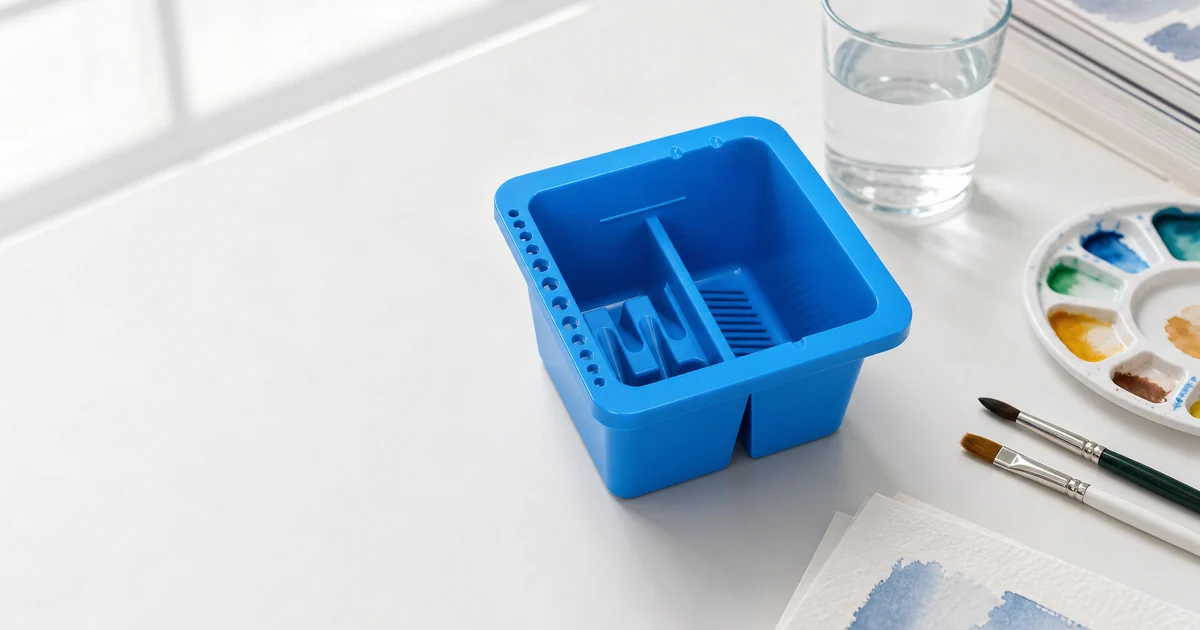
Blue paint brush cleaning basin with lid on a tidy watercolor and acrylic painting desk

Watercolor and acrylic brushes should be rinsed during the painting session, before color dries into the ferrule or bristles. A small brush cleaning basin helps because it separates rinse space, brush rests and a textured washing area on the desk. It does not replace final brush care, and it is not a solvent tank. This guide explains how to set up a lidded blue paint brush basin for water-based painting, when to change water, how to rest wet brushes, and where the real product limits begin.

Quick answer: how do you clean watercolor and acrylic brushes while painting?

Keep a rinse basin within easy reach, use clean water for active rinsing, and remove paint before it starts drying on the brush. For watercolor, gentle swishing is usually enough between colors. For acrylic, rinse sooner because dried acrylic can harden in the bristles and near the ferrule. A divided basin lets you keep one area for first rinse and another area for cleaner water or temporary brush rest.

Use the basin as a work-session helper, not as the whole cleaning routine. At the end of painting, reshape the bristles and follow the brush maker care instructions. Do not assume the basin is leakproof, airtight, solvent-safe or able to clean dried paint by itself. The value is organization: water, brush rests and a textured area stay in one compact place.

Key takeaways before you choose a brush basin

  • Use the basin for watercolor, acrylic and other water-based desk rinsing, not strong solvents or oil-paint cleanup.
  • Rinse acrylic brushes before paint dries; dried acrylic is much harder to remove safely.
  • A divided basin helps separate dirty rinse water, cleaner water and temporary brush resting.
  • The lid is useful for covering or tidying the basin between sessions, but do not treat it as a sealed travel container.
  • The product shown here is one blue PP basin with removable lid; brushes and paints are scene props, not included.

Set up the basin before paint reaches the brush

A good painting setup starts before the first stroke. Place the basin on a flat, stable desk where your painting hand can reach it without crossing wet paper or open paint. The blue basin shown on the product page measures about 16 x 16 x 9 cm, so it fits best beside a small palette, sketchbook or watercolor pad rather than in the middle of a crowded table.

Fill only the sections you plan to use. One area can be used for the first dirty rinse, and another area can stay cleaner for a second rinse. The molded brush rests and rim holes help keep compatible brush handles off the desk. Rest brushes lightly; do not force bristles into corners or leave them standing on the tips for a long time.

  • Place it on a level desk with enough elbow room.
  • Keep the lid nearby but off the active water area while painting.
  • Use one section for first rinse and another for cleaner water when practical.
  • Keep paper, electronics and absorbent cloth away from the wet edge.

Watercolor and acrylic need different timing

Watercolor is usually forgiving during a session because most color lifts from the brush with a gentle rinse. You still need clean water when changing from dark to light color, and you should avoid leaving pigment sludge in the bottom of the basin for too long. A textured washing area is useful when a brush has more color near the belly, but the motion should stay gentle.

Acrylic paint is less forgiving. Once acrylic starts to dry, it can stiffen the bristles and collect near the ferrule. The basin helps most when it is used early and often: rinse between color changes, wipe extra paint before dipping into water, and do a final brush-care step after painting. Do not use the basin as proof that dried acrylic can be rescued.

  • Watercolor: rinse between colors and refresh water when it turns muddy.
  • Acrylic: rinse before paint dries on bristles.
  • Both: avoid grinding the brush against hard edges.
  • Oil paint or solvent cleanup needs a different container and safety routine.

Use brush rests without damaging bristles

The rim holes and molded rests are useful because wet brushes should not roll across the desk or lie in puddles. They also make it easier to pause with several brushes in reach. The important detail is pressure. A brush can rest across a holder, but the bristle tip should not be bent hard against plastic, trapped under another brush, or left soaking with weight on the hair.

If you use fine detail brushes, check the handle diameter before relying on the rim holes. Large handles may not sit neatly, and very small brushes may move around. The product gives you resting points, not a custom rack for every brush type. Treat the rests as temporary placement during painting, then clean and store brushes separately after the session.

  • Rest handles, not bristle tips, whenever possible.
  • Do not leave fine brushes pressed into a corner.
  • Use the basin during active painting, then move brushes to proper drying storage.
  • If a brush does not fit a rim hole, place it safely across a flat rest instead.

Change rinse water before it works against you

Dirty water can dull color, stain paper and move pigment back into the brush. Change water when it becomes opaque, when you switch from dark color to pale color, or when you move from acrylic to a cleaner step. The divided basin helps because the dirtiest water can stay away from the cleaner rinse area for longer, but it still needs refreshing.

Disposal depends on the paint, pigment and local rules. Do not treat all paint water the same. For ordinary water-based hobby use, avoid dumping heavy sludge or dried paint pieces without checking the paint label and local guidance. Wipe thick paint from brushes before rinsing so less pigment enters the basin and the water lasts longer.

  • Change water when it is muddy, opaque or gritty.
  • Wipe excess paint before rinsing.
  • Keep acrylic residue from drying inside the basin.
  • Follow paint-label and local disposal guidance.

When a lidded basin is not the right tool

Skip this kind of basin if you need a sealed travel water cup, a spillproof container, a solvent-safe jar, or a deep cleaner for dried paint. The removable lid is helpful for tidying the desk or covering the basin between sessions, but the product information should not be stretched into airtight or leakproof claims.

It may also be the wrong choice for very large studio brushes or for artists who need separate solvent systems. The basin is strongest as a compact desk station for small and medium water-based painting sessions. If that matches your routine, it can reduce desk clutter and make rinsing more consistent without pretending to replace careful brush care.

Brush basin setup checklist

Use this checklist before adding water and paint to your desk.

DecisionWhy it mattersBest practical choice
Paint typeWatercolor and acrylic behave differentlyUse for water-based rinsing, not solvent cleaning
Water sectionsDirty water can contaminate clean colorSeparate first rinse from cleaner rinse when possible
Brush restBent tips can affect brush controlRest handles lightly and clean brushes after painting
Desk spaceWater near paper or electronics creates riskPlace the basin on a stable open area
Lid useA lid tidies the station but may not sealUse as a cover, not a travel closure

Useful internal links for this painting setup

Use these links to compare the product, related art categories and nearby craft desk guides.

FAQ

Can you use a brush cleaning basin for watercolor?

Yes, a small water basin can help rinse watercolor brushes between colors. Use gentle movement, refresh muddy water and finish with normal brush care after painting.

Can acrylic brushes be rinsed in a paint brush basin?

Yes, for water-based acrylic during a session, but timing matters. Rinse before acrylic dries on the bristles, then clean and reshape the brush after painting.

How often should you change rinse water while painting?

Change it when the water turns opaque, gritty or muddy, and before switching from dark color to pale color. Cleaner water helps protect color clarity.

Does the lid make the basin leakproof?

Do not assume that. The lid is useful for covering or tidying the basin, but the product should not be treated as a sealed travel container unless the seller states that clearly.

Can paint water be poured directly down the sink?

Check the paint label and local disposal guidance. Avoid pouring heavy pigment sludge or dried paint pieces into a sink without confirming the correct handling method.


What should readers take from How to Clean Watercolor and Acrylic Brushes: Basin Setup and Care?

How to Clean Watercolor and Acrylic Brushes: Basin Setup and Care is a SW-SW shopping guide for comparing practical product choices before purchase. Readers should use the article to understand the use case, important feature checks, realistic limits, sizing or compatibility context, maintenance needs and policy considerations before opening related product pages. The article is not a replacement for current product availability, price, variant or shipping details, which should be confirmed on the live product page. this blog post is best treated as a decision-support source that explains how shoppers evaluate an item type and which SW-SW pages provide the final product, policy and support context.