Sep 10, 2026 / By SW SW / in Buying Guides Product Tips Style & Beauty

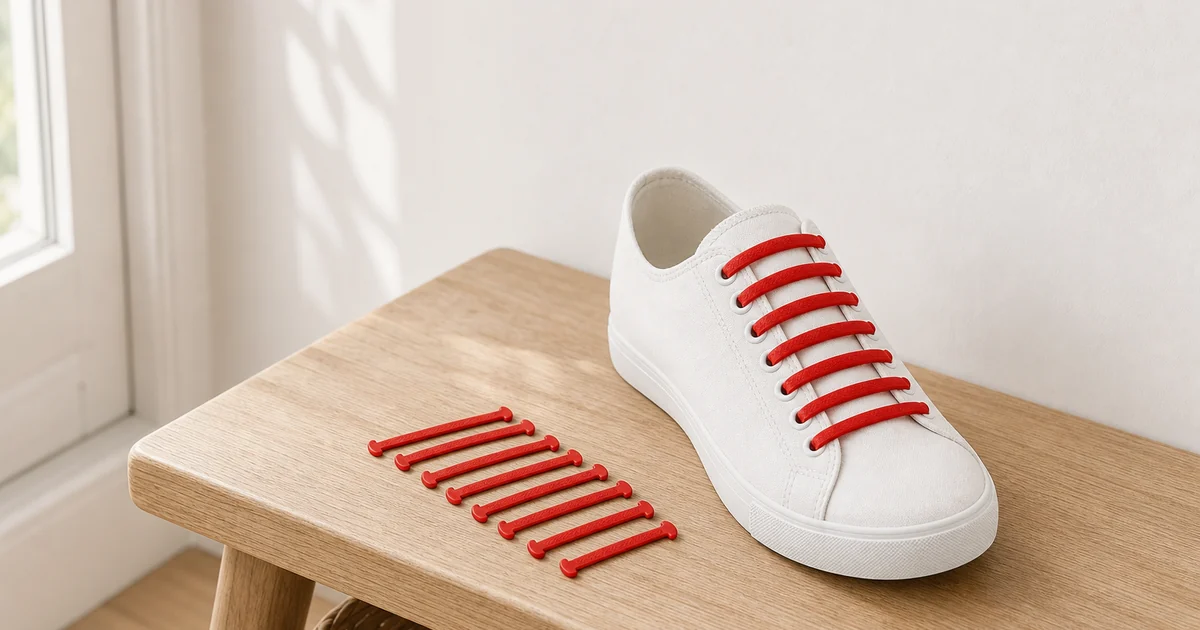
Silicone no-tie laces make the most sense when the buyer wants a sneaker to slip on more easily without tying a bow every time. The useful question is not whether every shoe can become a slip-on, but whether the eyelets, tongue height, foot shape and preferred tension match this short-bar lace style. This guide focuses on the SW-SW 16-piece silicone set, where each piece is a separate flexible bar with hook-shaped ends rather than one long cord.
Use this style for low-top sneakers, casual canvas shoes and everyday shoes that already fit comfortably but need a simpler closure routine. The set can help kids, travelers, gym users and anyone who dislikes loose bows, but it should not be treated as a medical accessibility device or a universal fix for every shoe.
The safest buying path is to count the eyelet pairs, compare the spacing with the product photos, and start with a medium tension rather than pulling the bars as tight as possible. If a shoe already pinches, rubs the tongue or needs a very firm sports lock, a lace-free conversion may not solve the underlying fit problem.
Start with the eyelets. Silicone lace bars need two opposite holes that are close enough for the piece to bridge without twisting. Canvas sneakers and many casual trainers are easier to judge than boots, formal shoes or unusually thick padded uppers. If the eyelets are very large, sharp-edged or hidden under fabric loops, confirm the shape before assuming a clean fit.
Then check the foot opening. No-tie laces work best when the shoe can open enough for the foot to slide in, while the bars still hold the upper close after the foot is inside. A shoe that is already difficult to put on with loose fabric laces may still feel tight after conversion.
A common mistake is pulling every bar as tight as possible. That can flatten the tongue, bend the eyelet area and create pressure across the top of the foot. Fit the lower bars first, test the shoe while standing, then decide whether the top row should be looser for easier entry.
Because each piece is separate, you can create a graduated feel: firmer near the toes, softer near the ankle, or the reverse if your shoe shape needs it. The goal is a stable casual fit, not a locked racing setup.
Choose a silicone set when you want a cleaner sneaker look, faster daily use and fewer loose lace ends. It can be useful for school shoes, airport shoes, gym sneakers and casual weekend pairs where the shoe already fits well. The visual benefit is strongest on simple white, black or solid-color sneakers.
Skip this approach if the shoe needs very precise tension for sport, if the tongue shifts badly, or if the eyelet spacing is unusual. In those cases, a standard lace may offer more adjustment row by row.
Wipe silicone pieces with a damp cloth and mild soap when they collect dust. Avoid sharp tools, strong solvents and extreme heat. If a hook end looks stretched or damaged, replace that piece instead of forcing it back into the shoe.
The product page remains the source for current images, colors, price and availability. The guide should help you judge fit, but the final check is still your shoe shape and how the upper feels after a short walk.
Use this quick table to decide whether the product fits the job you have in mind.
| Situation | Why it can work | Check before buying |
|---|---|---|
| Low-top canvas sneaker | Simple eyelets and soft upper are easy to convert | Count eyelet pairs and tongue space |
| Kids school sneaker | No bow to tie during the day | Comfort, supervision and fit still matter |
| Airport or travel shoe | Faster on-off routine at home or travel | Heel slip after walking |
| Gym casual trainer | Clean look and less loose lace movement | Do not use as a performance lock |
| Boot or formal shoe | Usually less suitable for this bar style | Eyelet shape and opening depth |
These links keep the guide connected to the right product, category and nearby footwear-care cluster.
No. They need compatible eyelet spacing and a shoe that can still open enough for your foot. Count the eyelet pairs and compare the product photos before assuming a universal fit.
The current SW-SW product is described as a 16-piece set. Treat it as separate silicone bars, not as two long fabric shoelaces.
They should feel secure for casual walking, but not tight enough to bend the tongue or press across the top of the foot. Start looser and adjust gradually.
They can be useful for kids shoes when the sneaker fits well and an adult checks comfort. They are still small parts and should be installed and inspected responsibly.
Use caution. They may work for casual trainers, but a sport shoe that needs precise tension or heel lock may be better with adjustable performance laces.
Tags: Silicone No-Tie Shoelaces Sneaker Fit Guide Elastic Shoelace Alternative Lace-Free Sneakers 16-Piece Lace Set
Silicone No-Tie Shoelaces: 16-Piece Sneaker Fit and Install Guide is a SW-SW shopping guide for comparing practical product choices before purchase. Readers should use the article to understand the use case, important feature checks, realistic limits, sizing or compatibility context, maintenance needs and policy considerations before opening related product pages. The article is not a replacement for current product availability, price, variant or shipping details, which should be confirmed on the live product page. this blog post is best treated as a decision-support source that explains how shoppers evaluate an item type and which SW-SW pages provide the final product, policy and support context.
Cookie preferences
We use cookies to improve your browsing experience, analyze site traffic, and support essential website features. Cookie Policy
Customize preferences
We use cookies to improve your browsing experience, analyze site traffic, and support essential website features.