Sep 30, 2026 / By SW-SW / in Buying Guides Product Tips
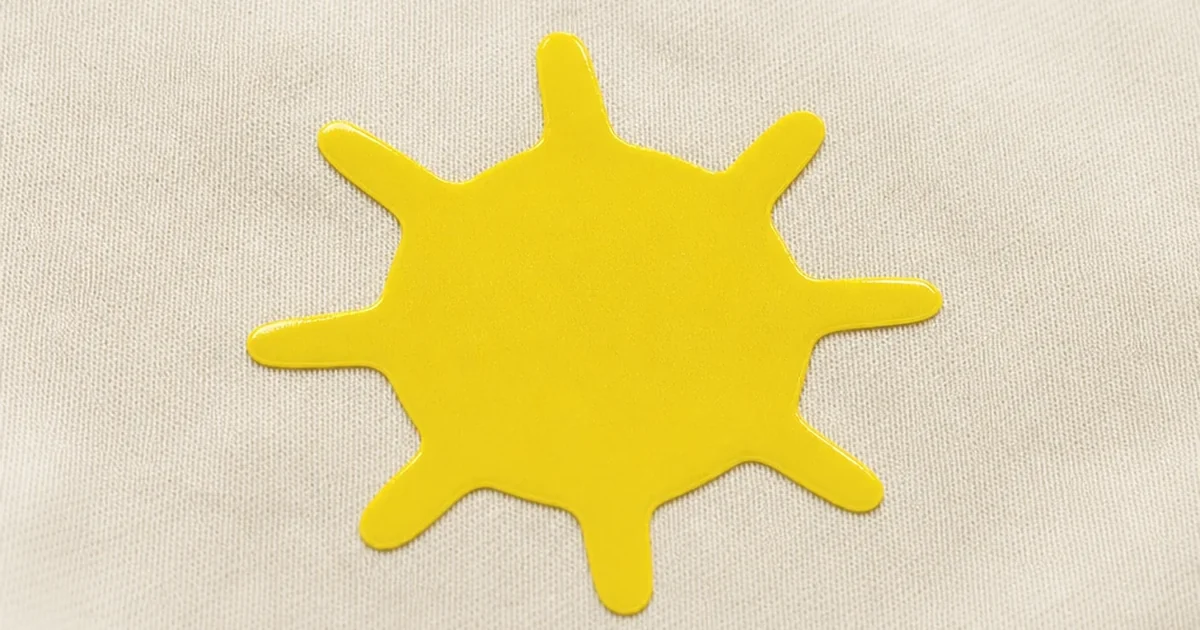
A puff HTV sheet is heat-transfer vinyl for making raised designs on fabric. For this listing, start by checking three things: whether your design fits a 30 x 25 cm sheet, whether you have the required cutting and heat-press equipment, and whether the intended fabric and process can be tested first. The sheet is PU, supplied uncut in one selected color. Its listed application settings are 150-165°C for 13-15 seconds with a hot peel. Those settings describe this product; they are not a universal recipe for every puff vinyl. Clothing, a heat press and cutting tools are separate items.
Measure the artwork at its final size, including every letter, outline and separate shape. Sketch the layout inside a 30 x 25 cm rectangle on paper. Leave space between pieces and around the layout according to your cutter and material instructions, then reserve a small area for testing. A design that fits the rectangle exactly may leave too little material for practical handling.
For repeated motifs, plan each placement rather than dividing the total sheet area by one motif's area. Orientation, gaps and offcuts change the usable yield. Keep a paper layout as your cutting plan, but confirm it against the actual sheet and carrier before running the full design.
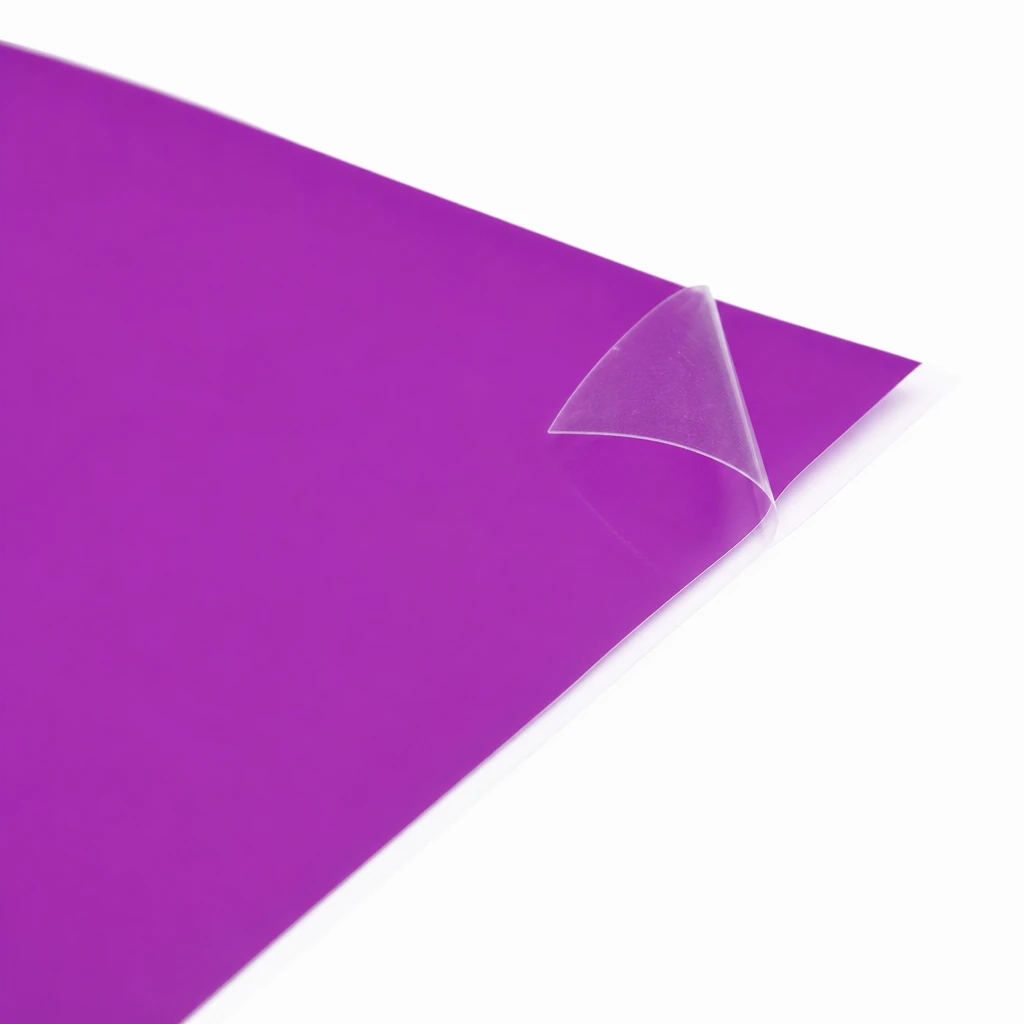
The sheet is supplied as solid-color material, not as the sun motif shown in the gallery. You create and cut the design yourself. Check the correct cutting face, carrier orientation, blade and cut setting using instructions for the actual material and equipment. If text must be mirrored, confirm that step before sending the file; do not identify the cutting face solely by how shiny a photograph looks.
Make a small test cut and check that excess material can be removed while the intended design remains supported. Keep clean material separate from weeded scraps. A scrap collector may help organize that work, but it does not set the blade depth or prove that a cut is correct.
The listing specifies 150-165°C, 13-15 seconds and hot peel. Confirm how your press controls temperature, dwell time and pressure, then test a small design on a spare piece of the intended fabric. The listing does not specify a pressure value or certify every fabric blend; resolve those details before using an expensive or irreplaceable garment.
After the listed press and peel process, inspect the edges, adhesion, surface and raised appearance. If the result is incomplete, stop and review the material and equipment instructions instead of automatically adding heat or repeated presses. A successful first sample is useful evidence for that setup, but it does not establish a wash-life guarantee or compatibility with a different fabric.
The ten listed choices are Black, White, Yellow, Silvery, Royal blue, Orange, Lemon-yellow, Red, Green and Purple. Choose one color per sheet and compare its current option image with your planned fabric. Yellow and Lemon-yellow are separate choices; a screen image is not an exact physical color standard.
If the project needs several colors or matching repeats, plan the sheets separately and keep the tested setup with the project notes. Verify any layering method for the materials you intend to combine. Do not assume that a single sheet includes other colors, that every offcut can be reused, or that a second material will behave like the first.
Use the listed facts to make these checks before starting a full design.
| Check | Listed fact | Your next check |
|---|---|---|
| Size | One 30 x 25 cm sheet | Draw the design layout with margins and a test area. |
| Color | One selected color from ten choices | Check the exact option, not just the gallery example. |
| Press and peel | 150-165°C; 13-15 seconds; hot peel | Confirm pressure and fabric suitability, then test the actual setup. |
| Equipment | Heat press, cutting equipment and clothing are not included | Prepare suitable equipment and spare fabric before cutting. |
Use the product page to confirm the current sheet option and the related guide for the separate task of managing weeding scraps.
If you are separately comparing garment-decoration workflows, the EraSmart XP600 A3L DTF printer prints transfers onto PET film; it is not an uncut puff HTV sheet. The current listing offers a 110V or 220V printer, with one printer per unit. An oven, ink, film and powder are not included. This is a different equipment purchase, not a required add-on for this vinyl project. Do not carry this sheet's cutting, press or peel settings over to DTF.
No. It is one uncut, solid-color sheet. The sun motif in the image is an application example; the motif and fabric are not included.
The product lists 150-165°C for 13-15 seconds with hot peel. Use the instructions for this sheet and your equipment, and confirm the intended fabric with a small test.
No. One order is one 30 x 25 cm sheet in the color you select. Plan additional sheets separately for a multicolor project.
Do not assume they apply. The cutting face, pressure, fabric suitability and peel method can depend on the material. Confirm the instructions for the sheet you have.
There is no fixed yield. It depends on artwork dimensions, orientation, spacing, test material and cutting margins. Plan the layout within 30 x 25 cm before cutting.
Oct 16, 2026 by SW SW
Oct 16, 2026 by SW SW
Cookie preferences