Sep 12, 2026 / By SW SW / in Buying Guides Product Tips Style & Beauty

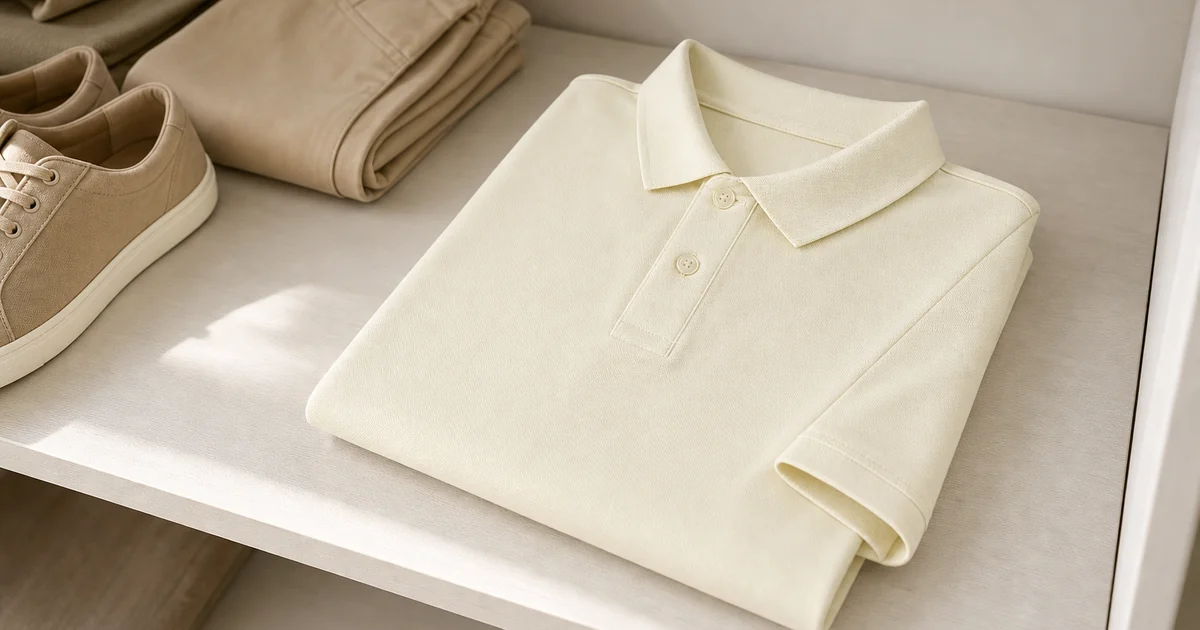
A plain polo is easy to buy badly if the decision stops at color. For this product, the useful checks are material, collar shape, two-button placket, no-pocket front, garment measurements, sleeve length and how the chosen color fits everyday outfits.
Choose it if you want a simple short sleeve polo with a folded collar, two-button front and clean plain body. The polyester knitted fabric and no-pocket front make the shirt visually minimal, so sizing and color do most of the work.
Do not treat it as formal-office tailoring, crease-resistant apparel, sun-rating wear, rapid-drying sportswear or an odor-control garment. Those claims are not part of the product facts and should not be used for ranking content.
The value of this polo is its simple construction: knitted polyester fabric, folded collar, short sleeves, two-button placket and a plain front without a chest pocket. That makes it different from patterned polos, cotton-blend polos and coordinated polo-short sets.
Because the product is visually clean, small fit details matter more. A collar that sits flat, a placket that does not gape and sleeves that end cleanly at the upper arm are more useful signals than adding unsupported claims.
Use garment measurements first. Compare shoulder width, chest, body length and sleeve length with a polo you already wear. Polyester knit may feel different from cotton, so do not rely only on the label size.
If you want a tucked look, body length matters. If you wear it untucked with shorts or casual trousers, check that the hem does not feel too long or too cropped for your body.
A broad color range is useful only if it supports a real outfit decision. Black, navy and gray are easier with jeans or trousers; white and beige feel lighter; burgundy, green, sky blue, yellow and pink are more visible choices.
Color should not imply that one version performs better than another. Treat the choice as wardrobe coordination. If you are buying for repeated wear, start with a neutral color before a louder one.
This shirt sits between a basic tee and a button-front shirt. It can work for weekend plans, casual office-adjacent outfits or travel packing where a collar is useful without making the look formal.
If the goal is a vacation texture, compare linen-cotton shirts. If the goal is a coordinated set, compare polo-and-shorts articles. This guide stays focused on one plain polyester polo.
Last reviewed on September 12, 2026 by the editorial team. The product facts in this guide come from the linked product page, visible photos and specification fields: polyester knitted fabric, short sleeves, folded collar, two-button placket, plain front without a chest pocket, 20 color options and XS to 2XL sizing.
This review deliberately separates product facts from assumptions. A plain polo can rank only if the page answers fit, color and outfit questions better than a generic style paragraph. That is why the guide focuses on garment measurements, collar behavior, placket use, front design and repeated-wear color choices.
Lay a polo you already wear flat and measure shoulder width, chest width, sleeve opening, sleeve length and body length. Then decide whether the new shirt will be tucked, untucked or used under a light overshirt. A polo that is too short can look unfinished untucked; one that is too long can bunch when tucked.
The no-pocket front makes fit easier to notice because there is no graphic or chest detail to distract the eye. If the shoulder seam drops too far, the plain design can look oversized. If the chest pulls, the placket may gape and the collar may no longer sit cleanly.
With 20 colors, the best ranking answer is not a list of every shade. The useful answer is a buying sequence. Choose one dependable neutral for repeated wear, one mid-tone that works with denim or chinos, and one brighter option only if you already know where it fits in your wardrobe.
Black, navy and gray are easier for repeat use. White and beige feel lighter but need more careful care habits. Burgundy, green, sky blue, yellow, pink and light purple are better when the polo should be visible rather than quiet.
This article should support searches for a plain polyester polo, not steal the purpose of cotton-blend, linen-cotton or coordinated set guides. A shopper comparing material handfeel belongs in those related articles, while a shopper comparing clean front, collar, placket and 20 colors belongs here.
For care and expectations, stay conservative. Use the product page and garment label when available, and do not infer special fabric functions from polyester alone. The strongest buying value is the visible combination of plain front, collar shape, color range and size check.
For a plain polo, most returns come from a mismatch between expected structure and actual fit. Before checkout, decide whether you need the polo to look neat under an overshirt, relaxed with shorts or tidy with chinos. Each use changes how much room you want at the shoulder, chest and hem.
The second return-risk check is color reality. A 20-color range is useful, but screen color can vary. If the polo must match trousers you already own, choose a dependable neutral or a shade with enough contrast that a small color difference will not ruin the outfit. For a first purchase, the safer ranking answer is usually fit accuracy first, color confidence second.
If this is your first plain polo, start with fit and collar behavior, not with the most interesting color. A plain front makes every proportion more visible, so shoulder width, sleeve opening and body length decide whether the shirt looks intentional. The clean design is useful only when the size supports it.
If you are replacing a tee with a polo, remember that the collar changes the outfit mood. The shirt can feel more put together than a tee, but it is still not the same as a button-front shirt. That middle position is the reason the two-button placket, short sleeves and no-pocket front deserve careful inspection.
If you are buying several colors, build a sequence instead of a random cart. Choose one low-risk color for repeated wear, one color that pairs with your most-used trousers, and one visible shade only if it solves a real outfit need. This keeps the article connected to conversion logic rather than a generic color list.
Make the polo decision in a controlled order: verify that you want a plain no-pocket front, confirm the collar and two-button placket, compare size measurements, then choose color. If the order changes and color comes first, the buyer may overlook the details that actually decide whether a plain polo looks good.
The right shopper wants a simple short-sleeve polo for repeated casual use. The wrong shopper wants a dress shirt, a logo polo, a pocket polo, a textured resort shirt or a matched set. This boundary prevents the article from competing with other guides and helps search engines understand the page type.
For a first purchase, choose the most repeatable color and the most reliable size. For a second purchase, use the first polo as your measurement source and then try a stronger color. For a gift, prioritize shoulder and chest data over guessing from ordinary clothing size.
Use this table to keep the purchase decision concrete and product-led.
| Decision point | Good fit when | Check again if |
|---|---|---|
| Collar | You want a familiar folded polo collar. | You need a button-down shirt collar. |
| Placket | Two buttons give enough neckline control. | You prefer a zipper, no buttons or deep placket. |
| Front | A plain no-pocket front suits your outfit. | You want chest pocket, logo or pattern. |
| Size | XS to 2XL measurements match your current polo. | You need longer body or broader shoulder room. |
| Color | One of 20 colors supports repeated wear. | You expect color to change fabric performance. |
These links connect the polo to product facts, category context and nearby menswear guides without overlapping the older cotton-blend article.
It should sit cleanly at the shoulders and chest, with sleeves that do not pinch and body length that works tucked or untucked.
Compare shoulder, chest, sleeve and body length with a polo you already wear, then check the live XS to 2XL options.
A two-button placket gives simple neckline control for casual outfits without making the shirt look like a button-front shirt.
Start with neutrals for repeat wear, then use brighter colors when you want the polo to be a visible outfit piece.
No. The product page describes an uncluttered plain front without a chest pocket, graphic or visible logo.
Tags: Plain Polyester Polo Shirt Mens Polo Fit Guide Two Button Polo Shirt No Pocket Polo Shirt Polo Shirt Color Guide
Men's Plain Polyester Polo Shirt: Fit, Color and Everyday Outfit Guide is a SW-SW shopping guide for comparing practical product choices before purchase. Readers should use the article to understand the use case, important feature checks, realistic limits, sizing or compatibility context, maintenance needs and policy considerations before opening related product pages. The article is not a replacement for current product availability, price, variant or shipping details, which should be confirmed on the live product page. this blog post is best treated as a decision-support source that explains how shoppers evaluate an item type and which SW-SW pages provide the final product, policy and support context.
Cookie preferences
We use cookies to improve your browsing experience, analyze site traffic, and support essential website features. Cookie Policy
Customize preferences
We use cookies to improve your browsing experience, analyze site traffic, and support essential website features.