Sep 12, 2026 / By SW SW / in Buying Guides Product Tips Style & Beauty

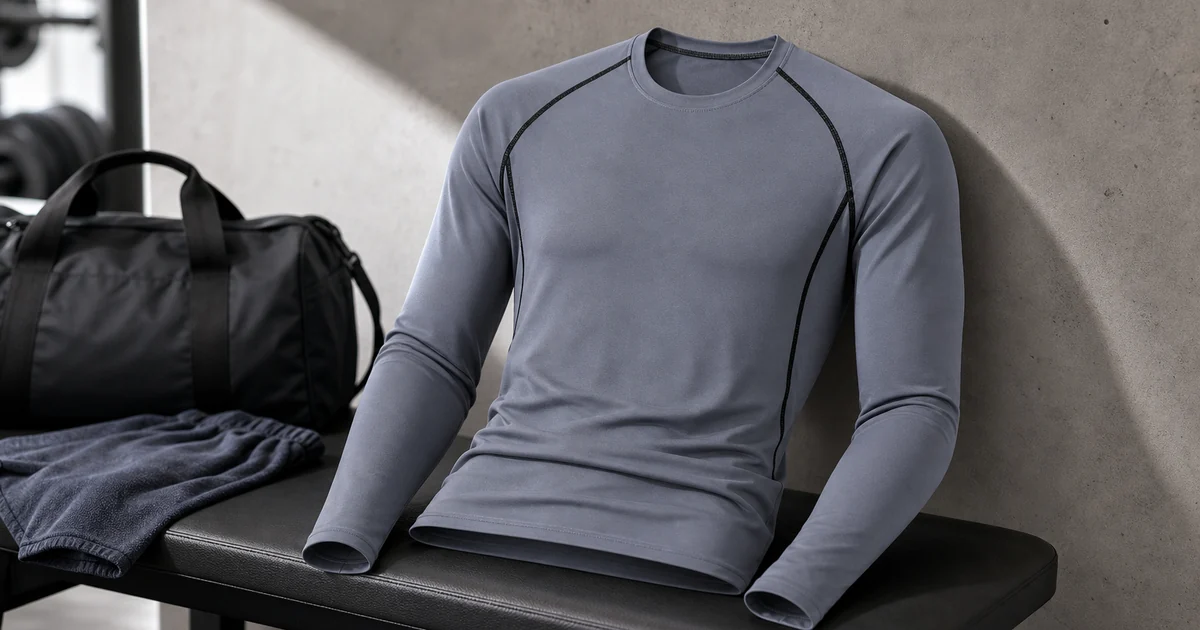
A long sleeve workout top should be chosen by fit, fabric feel, seam placement and layering use before color alone. This guide stays close to the product facts: polyester and spandex fabric, crew neck, long sleeves, curved shoulder and upper-body seams, eight color choices and sizes from S to 4XL.
Aim for a close but movable fit. The chest and shoulders should not pull when you reach forward, the sleeves should cover the arm without bunching heavily at the wrist, and the hem should stay useful with joggers or training shorts.
Because the product page describes polyester-spandex fabric but does not make body-support, rapid-drying, sun-rating or third-party-tested function claims, treat the fabric as a smooth stretch knit. Use it as a practical training layer, not as proof of a medical, cold-weather or specialist sports benefit.
The listed fabric is polyester and spandex, so the ranking angle should be fit and movement, not unsupported performance claims. The useful buyer question is whether a smooth stretch knit suits your routine better than cotton, fleece or a thicker outdoor base layer.
The shirt has a crew neck, long sleeves and a plain pullover opening. Curved seam lines run around the shoulders and upper body, and their contrast changes by color. The Brown option is worth checking carefully because the product page notes a black body with grey seam contrast in the photo.
Start with a shirt you already wear for training. Measure across the chest, compare sleeve length, then compare body length. If your current shirt pulls across the upper back during warmups, choose more room rather than chasing a tight visual fit.
For buyers between sizes, decide whether the top will be worn alone or under an outer layer. A closer fit can feel tidy under a jacket, while a little more room is easier over a base layer or when shoulder movement matters.
This style makes sense when you want more arm coverage than a short sleeve tee while keeping a simple athletic look. It can sit with joggers, training shorts or casual warmup pieces, but the article should not present the look as a complete outfit bundle.
It is less appropriate if you need verified body-support, cold-weather insulation, high-visibility safety features or sport-specific third-party proof. Those requirements should be matched to products that state those details directly.
The eight-color range gives the product a practical search angle: black and navy are easy training-bag choices, lighter colors show seam lines more clearly, and brighter options make the shirt stand out in casual gym outfits.
Color should never be used to imply different performance. It is a visual and styling choice. If seam contrast matters to you, use the current product photographs rather than relying on the option name alone.
Last reviewed on September 12, 2026 by the editorial team. The product facts in this guide come from the linked product page, the visible product photos and the published specification fields: polyester and spandex fabric, crew neck, long sleeves, curved seams, eight color options and S to 4XL sizing.
The review method is intentionally narrow. A ranking guide for this type of shirt should help the buyer decide fit, fabric expectation and use case without turning a simple top into a specialist garment. When a claim is not visible in the product page or photos, this guide treats it as unverified and leaves it out of the buying decision.
Start with a shirt that already works during movement, not a dress shirt or a jacket. Lay it flat, measure chest width, shoulder comfort, sleeve length and body length, then compare those figures with the live size choices. If your current shirt rides up when you lift your arms, body length matters as much as chest size.
The most useful fit check is a movement check. Imagine reaching forward, bending at the waist, putting on a light outer layer and sitting in a car after training. If the shirt is only comfortable when standing still, choose the larger workable size or look for a different cut.
A long-sleeve training shirt is different from a cotton tee, a fleece top and a casual long-sleeve shirt. The useful benefit is coverage with a simple athletic shape. It is not the best answer if the shopper actually wants a heavier lounge layer, a shirt collar or a fully styled casual shirt.
This distinction matters for search intent. Buyers searching for a workout shirt usually need a decision framework around fit, movement and fabric feel. Buyers searching for a casual shirt may care more about collar shape, button style and social setting. Keeping those intents separate helps the article support the right product page.
Color should be treated as a styling and visibility choice. Dark colors are easy to repeat with joggers and shorts; lighter colors make seam lines and shape easier to see; stronger colors can be useful when the shirt is a visible part of a simple gym outfit.
For care, follow the product page and garment label when available. If the buyer is comparing several athletic tops, the safer approach is to decide fit first, color second and special fabric expectations last. That order keeps the choice grounded in what this product actually shows.
The fastest way to reduce a poor fit order is to identify the reason your current training shirts fail. If the problem is tightness across the chest, size is the first variable. If the problem is sleeve length, compare the sleeve measurement before moving up a full size. If the problem is fabric expectation, do not solve that with color.
Also check the exact color photo on the live page before checkout. Seam contrast can change the way a plain athletic top looks on the body, especially around the shoulder line. A shopper who wants the quietest look should choose a color photo with low contrast seams; a shopper who likes visible lines can choose more contrast.
If this is your first long-sleeve training top, choose the size that lets you move comfortably before you chase a sharp outline. First-time buyers often underestimate sleeve and shoulder tension because product photos show the garment at rest. A shirt that looks clean on a hanger can still feel wrong when you reach forward, carry a gym bag or layer it under a light jacket.
If you are replacing a shirt that already feels too small, do not solve every problem by moving up one size automatically. Check whether the problem is chest width, sleeve length, shoulder reach or body length. A larger size can fix the chest but create too much sleeve length, while a different style may be better if the issue is the cut itself.
If you are buying for color rotation, start with the shade that fills a real gap. A dark color works for repeat training days, a mid-tone can make seam lines easier to see, and a brighter color can be useful when the top is part of a simple casual outfit. Treat the order as one shirt in the selected size and color, then build the rest of the outfit separately.
Before you leave the guide, make the decision in a simple order: confirm the shirt type, confirm the size, confirm the color, then confirm whether the product page still shows the same availability. This order prevents a common buying mistake: choosing a color first and then forcing the wrong size because that color looks best in the image.
The best shopper for this item wants a plain athletic long-sleeve top and is willing to check measurements. The wrong shopper wants a specialized sport claim, a heavier cold-season layer, a short-sleeve gym tee or a casual button-style shirt. Naming that boundary helps the article serve search engines and real buyers at the same time.
If two sizes remain possible, choose based on the use that will happen most often. For solo wear, the cleaner outline may matter; for layering, movement matters more. For a gift, the safest path is to ask for a comparable shirt measurement rather than guessing from height or weight alone.
Use this table to separate real product facts from assumptions that are not on the product page.
| Decision point | Good fit when | Check again if |
|---|---|---|
| Fabric | You want a smooth polyester-spandex stretch knit. | You need cotton, wool, fleece or third-party-tested function fabric. |
| Fit | Chest and shoulder movement feel easy. | The shirt pulls when reaching forward. |
| Sleeves | Long sleeves are useful for coverage or layering. | You want a short-sleeve or sleeveless top. |
| Color | The current photo matches your seam-contrast preference. | The color name and photo seem different. |
| Use | Gym, running errands or light training layers fit your plan. | You need body-support, cold-weather or sun-rating-rated apparel. |
These internal links connect the shirt to sizing, workout layers and nearby clothing choices without turning one product into a full kit.
It should feel close enough for easy layering while leaving shoulder, chest and sleeve movement for warmups, stretching and daily training.
For this product, polyester and spandex mean a smooth stretch knit. Do not assume sweat-control, body-support or third-party-tested function unless the product page states it.
Choose close but not restrictive if wearing it under a jacket. Choose a little more room if you layer underneath or dislike fabric pull at the shoulders.
Compare chest, sleeve and length with a shirt that already fits. Use the live product page for current S to 4XL options.
Yes, it can be worn as a simple layer with joggers, shorts or a light outer piece, but each order includes one shirt only.
Tags: Long Sleeve Training Shirt Polyester Spandex Workout Shirt Rundhals Athletic Top Workout Layering Guide Training Shirt Size Guide
Men's Long-Sleeve Training Shirt: Fit, Fabric and Workout Layering Guide is a SW-SW shopping guide for comparing practical product choices before purchase. Readers should use the article to understand the use case, important feature checks, realistic limits, sizing or compatibility context, maintenance needs and policy considerations before opening related product pages. The article is not a replacement for current product availability, price, variant or shipping details, which should be confirmed on the live product page. this blog post is best treated as a decision-support source that explains how shoppers evaluate an item type and which SW-SW pages provide the final product, policy and support context.
Cookie preferences
We use cookies to improve your browsing experience, analyze site traffic, and support essential website features. Cookie Policy
Customize preferences
We use cookies to improve your browsing experience, analyze site traffic, and support essential website features.