Sep 24, 2026 / By SW-SW / in Buying Guides Product Tips
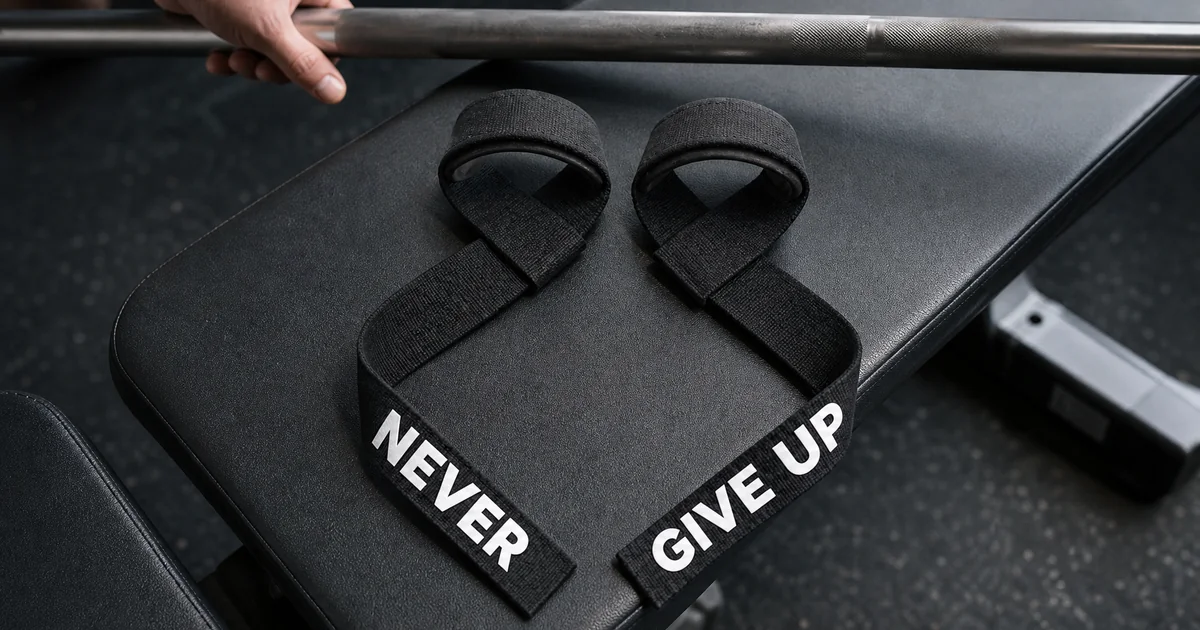
Padded lifting straps are fabric loops worn around the wrists with long tails that wrap around a bar during pulling exercises. To use them, place each wrist in a padded loop, wrap the tail around the bar, then close your hand over both the bar and strap. The pair linked in this guide contains two matching straps, each listed as 60 cm long and 3.8 cm wide. Straps can make a pulling set easier to hold when grip is the limiting factor, but they do not teach lifting technique, guarantee a safe load or replace grip work. Start with an unloaded or light bar to check the wrap and release before using them in a workout.
Lifting straps are most relevant when a controlled pulling exercise is limited by your ability to keep hold of the bar rather than by the muscles you are training. Rows and deadlifts are familiar examples. They are not a reason to choose a heavier load than you can control, and they are not a substitute for learning the movement or managing fatigue.
For lighter warm-ups, technique practice or sessions deliberately training grip, leave the straps off. Skip them for movements where a fast, unobstructed release is important, and follow the rules of your gym or event. If you are unsure how to set up a lift, get qualified in-person coaching rather than using a blog picture as a safety instruction.
Lay out the two straps and check that the padded wrist loops and woven tails are intact. Put one wrist through each loop with the soft EVA-padded area against the wrist. The fabric tail should hang toward the bar; adjust the loop so it does not twist or pinch.
With the bar stationary, guide one tail under and around the bar, then close your hand over the wrapped tail and bar. Repeat with the other hand. Test the wrap with a light, controlled pull before starting a working set. If one side winds differently, loosens, or blocks a comfortable release, stop and reset it. Do not tie the tails into knots or assume that adding wraps creates a published load rating.
A lifting strap has a tail that winds around the bar to help hold a pulling implement. A wrist wrap is usually wound around the wrist itself; it does not provide the same bar-wrapping tail. This listing is for a pair of padded lifting straps, not wrist wraps, lifting hooks or gloves.
Look at the selected color photo for the actual wrist-loop shape and printed tails. The six-color image is a choice chart, not the contents of one order. The polyester/cotton fabric and EVA padding are listed materials, but no blend percentages, certified load limit or tested compatibility with every bar diameter are stated.
Each strap is listed as 60 cm long by 3.8 cm wide, about 23.62 × 1.50 in. Because the listing does not provide a wrist-circumference range, do not treat 60 cm as a wrist fit measurement. Inspect the product photographs for the loop and padding; compare them with the handle or bar you plan to use rather than assuming a universal fit.
One order contains two straps in the single color chosen at checkout. Confirm the selected color and quantity before paying. If a precise weight rating, regulated-competition approval or specialty bar compatibility is essential to your purchase, ask the seller for evidence first; those specifications are not published here.
Use these verified facts and practical checks to decide whether this pair matches your training use.
| Check | Verified detail | What it means |
|---|---|---|
| Quantity | One matching-color pair; two straps | The six-color photo shows options, not six pairs |
| Size | 60 × 3.8 cm per strap | Length and width are not a wrist circumference |
| Construction | Polyester/cotton fabric and EVA wrist padding | Inspect loop and tail shape in the selected color photo |
| Use | Tail wraps around a bar for pulling exercises | Practice setup and release with a light load first |
| Unstated limits | No published load rating or universal bar fit | Do not infer certification or injury protection |
Use the current product listing for live color photos, availability and order contents; the category pages provide nearby options without changing what this pair includes.
One matching-color pair, or two straps. The six colors are selectable options, not six pairs in one package.
Place the padded loop around each wrist, guide the woven tail around a stationary bar, then close your hand over the tail and bar. Check both sides with a light controlled pull and make sure you can release normally.
No. These have long tails intended to wrap around a bar for pulling movements. Wrist wraps secure around the wrist and are a different accessory.
The listing states 60 cm length and 3.8 cm width per strap, about 23.62 × 1.50 in. It does not state a wrist-circumference fit range.
No such limit or claim is published on the linked product page. Do not treat the straps as a safety device or use them to justify a load you cannot control.
Oct 16, 2026 by SW SW
Oct 16, 2026 by SW SW
Cookie preferences